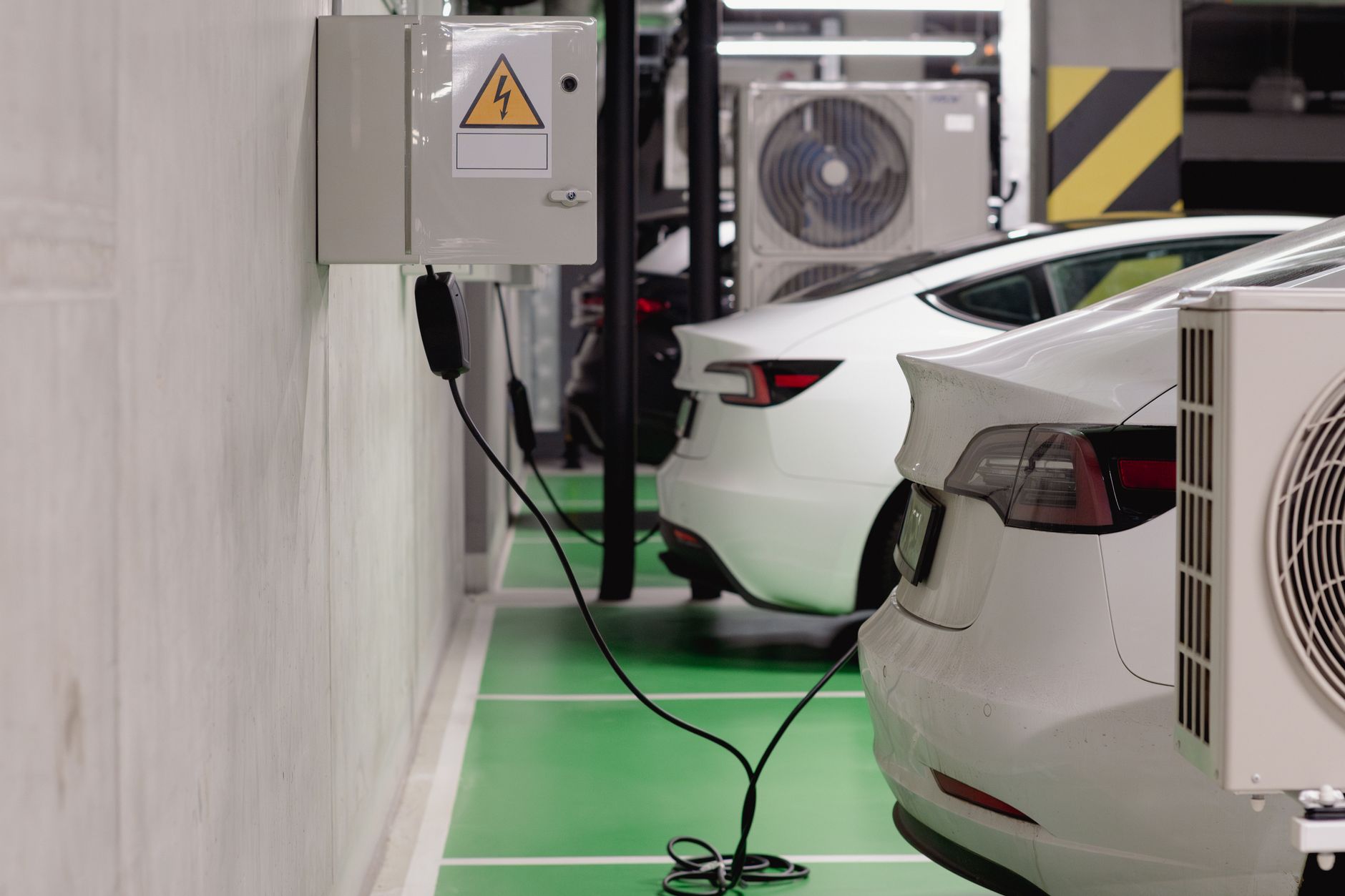
India battery jobs are expected to surge significantly, with projections estimating 2 million new positions by 2030. This growth is driven by the increasing demand for electric vehicles and advancements in battery recycling.
The Future of Battery Manufacturing in India
The future of battery manufacturing in India looks promising as the industry gears up to create opportunities and innovations. With the surge in demand for electric vehicles (EVs) and renewable energy storage, the sector is predicted to generate 2 million jobs by 2030. This growth is attributed to advancements in technology, increased investment in battery production, and the establishment of recycling facilities.
Several factors contribute to this burgeoning job market:
- Government Initiatives: The Indian government is promoting policies aimed at enhancing battery production capabilities, including financial incentives and research support.
- Private Sector Investment: Major corporations are investing in manufacturing plants and R&D, fostering a competitive environment that stimulates job creation.
- Sustainability Focus: The emphasis on recycling and sustainable practices in battery production not only boosts job numbers but also addresses environmental concerns.
As the landscape evolves, India battery jobs will play a critical role in shaping the economy and workforce, ensuring that the country remains a key player in the global energy transition.
How EV Demand is Shaping Job Opportunities
The rapid growth of the electric vehicle (EV) market is significantly influencing job creation in India. As demand for EVs continues to rise, the need for skilled labor in battery manufacturing and related sectors is becoming increasingly evident.
According to recent reports, the boom in battery production is projected to generate 2 million jobs by 2030. This surge is largely driven by several factors:
- Increased EV Adoption: With the government’s push for greener transportation, more consumers are turning to electric vehicles, which in turn drives the demand for batteries.
- New Manufacturing Facilities: Major companies are establishing new production plants across India, creating a plethora of job opportunities in engineering, assembly, and quality control.
- Battery Recycling Initiatives: As sustainability becomes a priority, new jobs are emerging in battery recycling, ensuring that valuable materials are reused instead of discarded.
The intersection of these factors not only highlights the importance of India battery jobs but also suggests a transformative shift in the workforce landscape as the country moves toward a sustainable future.
The Role of Recycling in Job Creation
The growing emphasis on sustainable practices in the battery industry is significantly contributing to job creation in India. As the demand for electric vehicles (EVs) continues to rise, the need for efficient battery recycling processes has become paramount. Recycling not only helps in reducing waste but also creates a multitude of India battery jobs in various sectors.
By 2030, the recycling sector is expected to play a crucial role in supporting the overall growth of the battery ecosystem. The following points highlight its impact on job creation:
- Material Recovery: Recycling initiatives require skilled labor to recover valuable materials like lithium, cobalt, and nickel, which can be reused in new batteries.
- Technological Development: As recycling methods evolve, there will be an increasing demand for engineers and technicians to enhance recycling technologies.
- Logistics and Collection: Efficient collection systems will require additional workforce, thereby generating new opportunities in logistics and transportation.
In conclusion, the integration of recycling into the battery industry not only contributes to environmental sustainability but also serves as a significant driver of job creation in India, ultimately shaping a greener economy.
What to Expect by 2030
As India gears up for a significant expansion in the battery sector, the landscape of employment is expected to transform dramatically by 2030. The surge in battery manufacturing, driven by electric vehicle (EV) demand and recycling initiatives, is projected to create approximately 2 million jobs across various sectors.
By 2030, job seekers can anticipate opportunities in:
- Manufacturing: With the establishment of new factories, skilled workers will be in high demand, particularly in engineering, assembly, and quality control.
- Research and Development: Innovations in battery technology will require a workforce adept in research, leading to roles focused on improving efficiency and sustainability.
- Recycling: The growing emphasis on battery recycling will generate jobs in collection, processing, and repurposing materials, contributing to a circular economy.
- Sales and Support: As EV adoption increases, there will be a need for sales and customer support roles to assist consumers in navigating their battery needs.
The India battery jobs market is set to thrive, aligning with the country’s ambition to become a leader in sustainable energy solutions.
India battery jobs are expected to contribute significantly to the country’s economic growth by creating thousands of new employment opportunities. Additionally, the expansion of India battery jobs will foster innovation and sustainability in the energy sector.
Photo by Jakub Zerdzicki on Pexels
Read the original
Related reading
Renault Triber Turbo Petrol: Best Launch Details and Expectations · WagonR facelift launch: Quick details on new features · Tesla Roadster reveal: Best Proven Launch Date