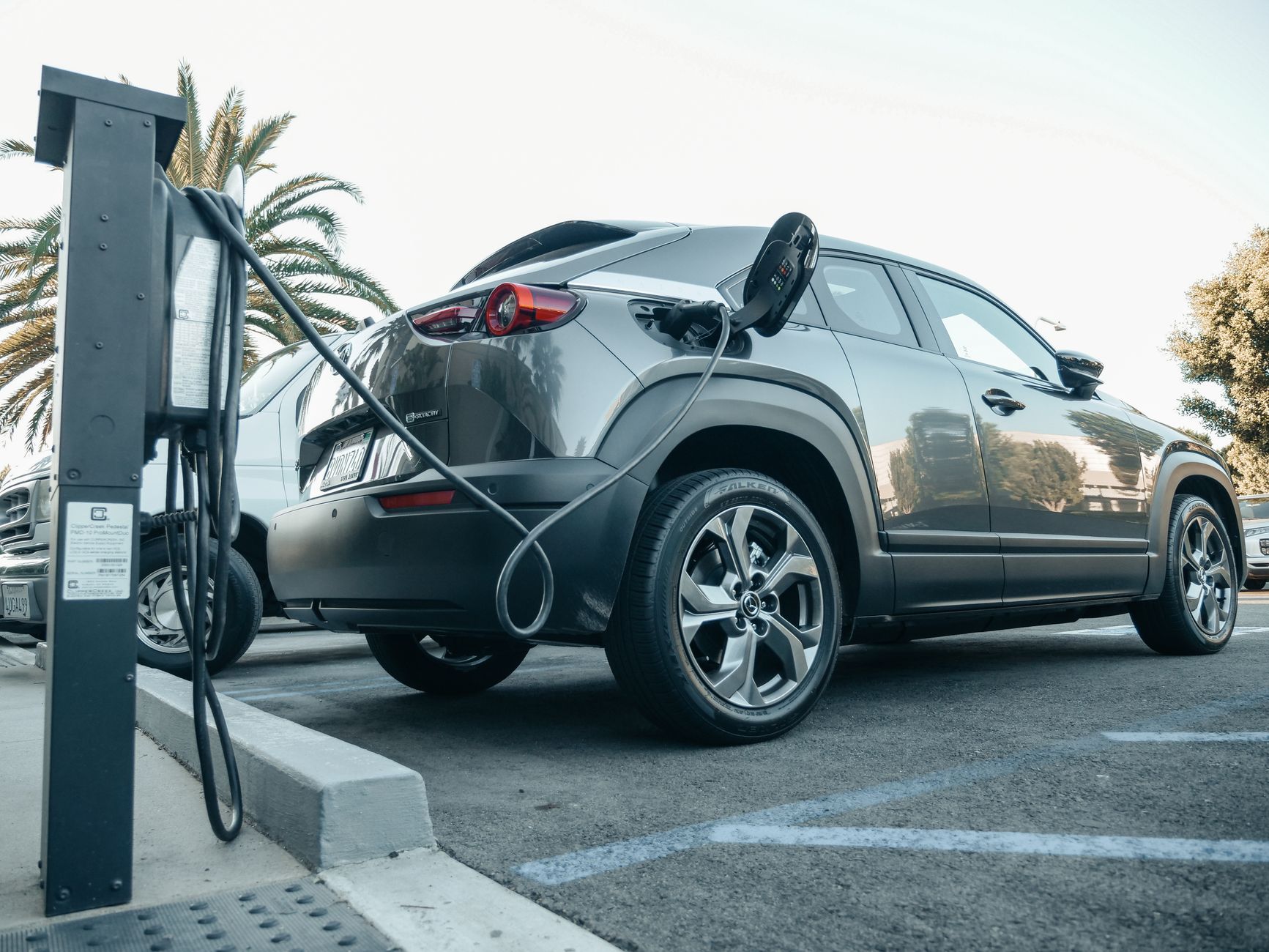
The EV charging experience is essential for India’s transition to electric vehicles. Improving this experience can significantly boost adoption and user satisfaction.
Understanding the Current EV Charging Landscape
The EV charging experience in India is rapidly evolving as the country embraces electric vehicles to combat pollution and reduce dependence on fossil fuels. However, several challenges remain in establishing an efficient charging infrastructure.
Currently, the landscape features a mix of public and private charging stations, but accessibility and convenience vary significantly across regions. Issues such as inadequate charging points, long wait times, and inconsistent charging speeds contribute to a suboptimal user experience.
To enhance the EV charging experience, stakeholders must focus on:
- Infrastructure Development: Expanding the network of charging stations in urban and rural areas.
- Standardization: Implementing uniform charging standards to ensure compatibility across different vehicles and chargers.
- User Education: Providing information to EV owners on available charging options and best practices.
- Innovative Solutions: Exploring technologies such as fast charging and battery swapping to minimize downtime.
By addressing these challenges, India can significantly improve the overall EV charging experience for its users.
Challenges in EV Charging in India
The EV charging experience in India faces several challenges that hinder the widespread adoption of electric vehicles. One significant issue is the inadequate infrastructure, which leads to long waiting times for users. Many urban areas lack sufficient charging stations, forcing EV owners to search extensively for available chargers.
Additionally, the variability in charging standards creates confusion among users. Different manufacturers often employ distinct charging technologies, making it difficult for drivers to find compatible charging solutions.
Another challenge is the perception of range anxiety, where potential EV buyers worry about the limited distance they can travel on a single charge. This concern is often exacerbated by the lack of reliable information about charging points and their operational status.
Moreover, the high cost of installation and maintenance of charging infrastructure can deter businesses from investing in EV charging stations. Addressing these challenges is essential for enhancing the EV charging experience and promoting the transition to electric mobility across India.
EV Charging Experience: Key Factors for Improvement
The EV charging experience in India has significant room for improvement, influenced by various key factors that can enhance user satisfaction and accessibility. Addressing these factors is crucial for fostering widespread adoption of electric vehicles.
- Infrastructure Development: A robust network of charging stations is essential to ensure that EV owners can easily find and access chargers. This includes not only increasing the number of charging points but also ensuring they are strategically located.
- User-Friendly Technology: Integrating advanced technology into charging stations can streamline the process. Features such as mobile apps for locating chargers, real-time availability updates, and simplified payment systems can vastly improve the EV charging experience.
- Public Awareness and Education: Many potential EV users remain unaware of the benefits and availability of charging options. Increasing public knowledge through campaigns can drive greater acceptance and usage.
- Government Support: Incentives and regulatory frameworks can encourage private investments in charging infrastructure, leading to improved overall experience.
Technological Innovations in EV Charging
Recent advancements in technology are transforming the EV charging experience in India, making it more efficient and user-friendly. Several innovations are paving the way for improved charging solutions, which are crucial for the country’s burgeoning electric vehicle market.
- Smart Charging Stations: These stations utilize IoT technology to monitor usage patterns, optimize energy distribution, and provide real-time updates to users, enhancing the overall charging experience.
- Mobile Applications: User-friendly apps allow EV owners to locate charging stations, check availability, and even reserve slots in advance, facilitating a smoother charging process.
- Fast Charging Technology: The introduction of ultra-fast chargers significantly reduces charging time, addressing one of the main concerns of EV users and improving their overall experience.
- Payment Solutions: Contactless payment options and integrated billing systems streamline transactions, making the EV charging experience more convenient.
These technological innovations are essential in enhancing the EV charging experience, ultimately encouraging more consumers to adopt electric vehicles in India.
Government Initiatives Supporting EV Infrastructure
The Indian government has taken significant steps to enhance the EV charging experience, recognizing the importance of a robust charging infrastructure for the growth of electric vehicles. Numerous initiatives aim to address both the availability of charging stations and user convenience.
- Faster Adoption and Manufacturing of Electric Vehicles (FAME) Scheme: This initiative incentivizes the development of EV charging stations across urban and rural areas, making it easier for consumers to access charging facilities.
- National Electric Mobility Mission Plan (NEMMP): This plan aims to promote the manufacturing of electric vehicles while simultaneously expanding the charging network, ensuring that users have reliable access.
- Public-Private Partnerships: Collaborations between government bodies and private companies facilitate the rapid deployment of charging infrastructure, enhancing the overall EV charging experience.
These initiatives not only aim to increase the number of charging stations but also focus on improving the quality and reliability of the charging process, ultimately fostering greater adoption of electric vehicles in India.
User Experience: What Drivers Really Want
As India’s electric vehicle (EV) market continues to grow, understanding the EV charging experience becomes critical. Drivers have expressed a need for seamless and efficient charging solutions that enhance their overall experience on the road.
Key elements that users prioritize include:
- Accessibility: Charging stations should be conveniently located and available in both urban and rural areas.
- Speed: Fast charging options are essential, allowing drivers to charge their vehicles quickly and resume their journeys without significant delays.
- User-friendly interfaces: Charging stations must feature intuitive designs, making it easy for drivers to navigate and complete transactions.
- Real-time information: Access to real-time data regarding charger availability and wait times can significantly improve the charging experience.
- Affordability: Competitive pricing for charging services ensures that EV adoption remains attractive for consumers.
By addressing these needs, stakeholders can significantly enhance the EV charging experience in India.
Future Trends in EV Charging Solutions
The future trends in EV charging solutions are set to revolutionize the EV charging experience in India, making it more accessible and efficient for drivers. As the adoption of electric vehicles continues to grow, several key innovations and trends are emerging in the market.
- Smart Charging Stations: Integration of smart technology will enable real-time monitoring and scheduling of charging sessions, allowing users to optimize their charging times based on grid demand.
- Wireless Charging: This technology is expected to gain traction, eliminating the need for physical connections and enhancing convenience for users.
- Fast Charging Solutions: Development of ultra-rapid chargers will reduce waiting times significantly, addressing one of the major concerns of EV users.
- Renewable Energy Integration: Charging stations powered by solar or wind energy will not only support sustainability but also lower operational costs.
- Mobile Applications: Enhanced mobile apps will provide users with real-time data on charging station availability and status, improving the overall charging experience.
Photo by Kindel Media on Pexels