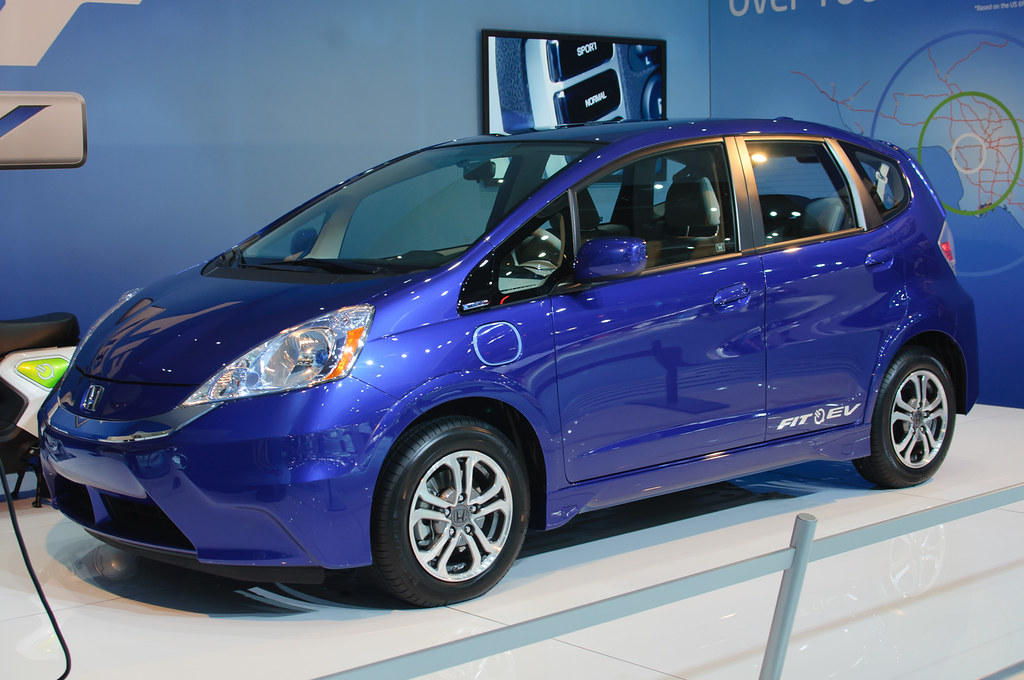
gasoline cars sales have fallen to 49% of global sales for the first time, indicating a major shift in consumer preferences towards electric vehicles. This trend raises questions about the future of traditional combustion engines.
Current Trends in Gasoline Cars
Recent data indicates a significant shift in the automotive market, with gasoline cars sales experiencing a decline. For the first time, the share of gasoline vehicles in global sales has fallen to 49%, as reported by OilPrice. This trend raises questions about the future of traditional vehicles in a rapidly evolving landscape.
Several factors contribute to this decrease in gasoline cars sales:
- Increasing popularity of electric vehicles: More consumers are opting for eco-friendly options, leading to a rise in electric car sales.
- Government regulations: Stricter emissions standards are pushing manufacturers to invest in alternative fuel technologies.
- Changing consumer preferences: Buyers are becoming more environmentally conscious, favoring sustainable transportation solutions.
The decline in gasoline cars sales may signify a pivotal moment for the automotive industry, impacting manufacturers and consumers alike.
Impact of Electric Vehicles
The rise of electric vehicles (EVs) has significantly impacted gasoline cars sales, shifting consumer preferences and industry standards. As more drivers opt for environmentally friendly alternatives, traditional gasoline vehicles face declining demand. This trend is evident as the share of gasoline cars in global sales has fallen to 49% for the first time, signaling a pivotal change in the automotive landscape.
Several factors contribute to this decline:
- Increased Environmental Awareness: Consumers are becoming more conscious of their carbon footprint.
- Government Incentives: Many countries offer tax breaks and subsidies for electric vehicle purchases.
- Technological Advancements: Improvements in battery life and charging infrastructure make EVs more appealing.
As gasoline cars sales continue to wane, the automotive industry must adapt to this new reality.
Consumer Preferences Shifting
As the automotive landscape evolves, consumer preferences are shifting dramatically. Recent data indicates that sales of gasoline cars are decreasing, with their share of global sales falling to 49% for the first time. This trend reflects a growing awareness of environmental issues and the benefits of alternative fuel vehicles.
Many consumers are now considering factors beyond just price and performance when choosing their vehicles. They are increasingly prioritizing sustainability and fuel efficiency, leading to a rise in demand for electric and hybrid models. Manufacturers are responding by investing significantly in new technologies and expanding their electric vehicle offerings.
- Environmental Concerns: Awareness of climate change is influencing buying decisions.
- Fuel Efficiency: Many drivers are looking for more economical options.
- Government Incentives: Subsidies for electric cars make them more appealing.
As this shift continues, gasoline cars sales may face further challenges in the future.
Future of the Auto Industry
The future of the auto industry is being reshaped as gasoline cars sales face significant challenges. With the increasing demand for electric vehicles, many manufacturers are pivoting towards greener alternatives. This shift is not just a response to consumer preferences but also regulatory changes aimed at reducing carbon emissions.
Industry experts predict that the share of gasoline cars in global sales will continue to decline, potentially leading to a market dominated by electric and hybrid models. Key factors influencing this trend include:
- Technological advancements: Improvements in battery technology are making electric cars more accessible and affordable.
- Government incentives: Many countries are offering tax breaks and subsidies for electric vehicle purchases.
- Environmental awareness: Consumers are increasingly prioritizing sustainability in their buying decisions.
As the landscape evolves, traditional gasoline cars may become a rarity on our roads.
Environmental Considerations
The decline in gasoline cars sales raises significant environmental concerns that cannot be overlooked. As the share of gasoline cars in global sales has dipped to 49%, it highlights a pivotal shift in consumer behavior and regulatory pressures aimed at reducing emissions.
Gasoline vehicles are a major contributor to air pollution and greenhouse gas emissions, which exacerbate climate change. The transition to alternative energy sources is crucial for achieving sustainability goals.
Many experts argue that the decline in gasoline car sales is a necessary step toward a cleaner environment. However, the acceleration of this trend must be managed carefully to ensure that infrastructure for electric vehicles keeps pace with consumer demand.
As society moves forward, balancing the needs of drivers with environmental responsibilities will be key to navigating the future of the automotive landscape.
Market Predictions for 2024
Looking ahead to 2024, market predictions indicate a continued decline in gasoline cars sales as consumers gravitate towards more sustainable options. Analysts believe that the shift towards electric vehicles will not only persist but accelerate, driven by government incentives and growing environmental awareness.
Several key factors are expected to influence this trend:
- Regulatory Changes: Stricter emissions standards may further discourage gasoline car purchases.
- Technological Advancements: Improvements in battery technology are likely to make electric vehicles more appealing.
- Consumer Preferences: A noticeable shift in buyer sentiment towards eco-friendly alternatives is already underway.
- Fuel Prices: Rising gasoline prices could deter car buyers from choosing traditional gasoline vehicles.
As these dynamics unfold, the future of gasoline cars sales appears increasingly uncertain in a rapidly evolving automotive landscape.
By InSapphoWeTrust via Openverse
Sources
Related reading
Berry Recall in Ohio Kentucky Indiana: Safe and Proven Guide · SUVs launching in October: Which are the Best Choices? · Attempted Break-in Investigation: Quick Details Uncovered