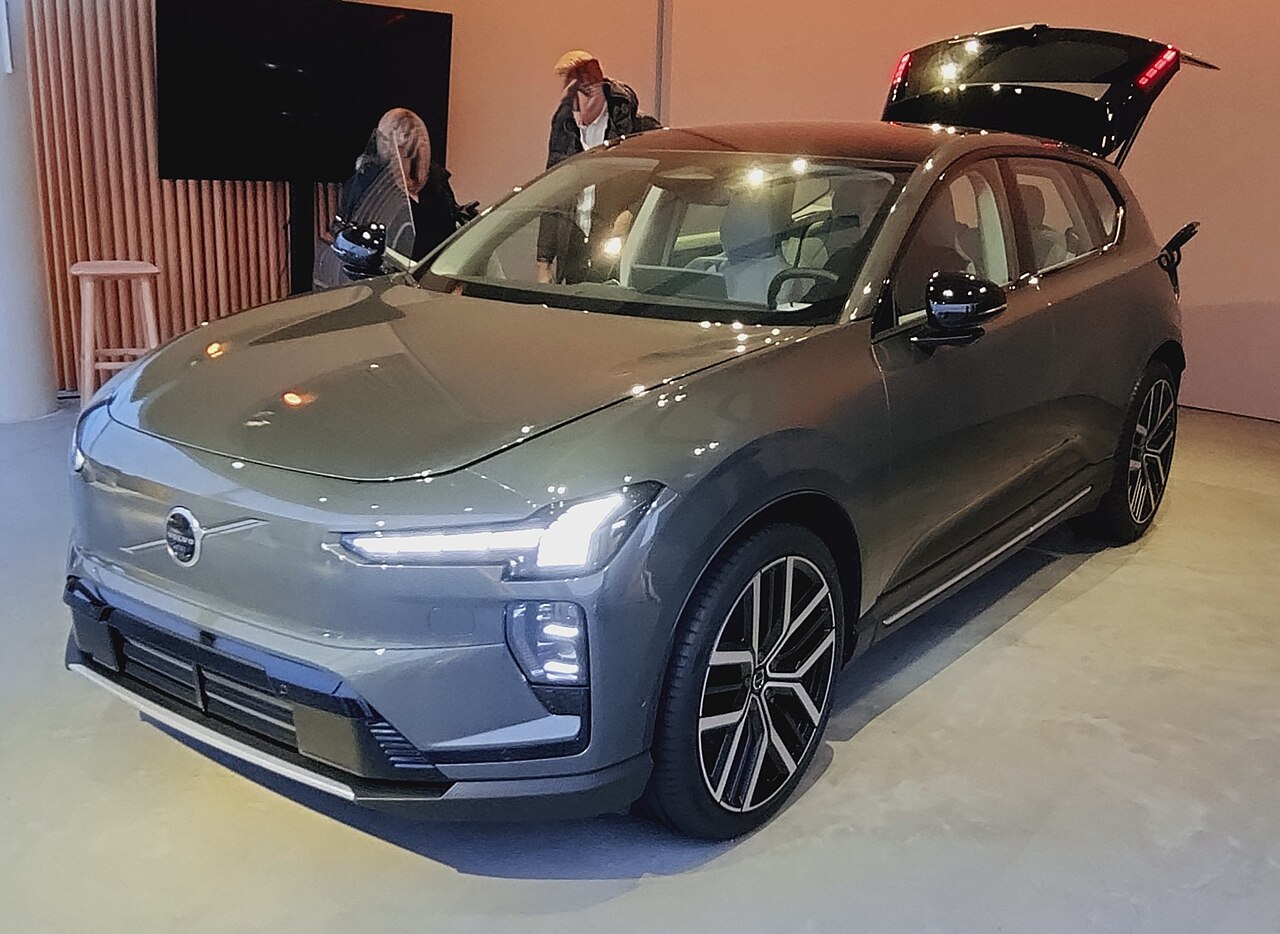
Volvo EX60 launch issues have emerged as significant manufacturing hurdles affect the North American rollout. The integration of megacasting and cell-to-body battery systems has drastically reduced plant output.
Understanding the manufacturing challenges
The recent launch of the Volvo EX60 has been marred by significant manufacturing challenges that have hindered production capacity. As the company strives to establish its presence in the North American market, the integration of innovative technologies has proven to be a double-edged sword.
Key hurdles include:
- Megacasting complications: The adoption of megacasting technology, aimed at streamlining production, has resulted in unforeseen setbacks, leading to inefficiencies in the assembly line.
- Cell-to-body battery integration issues: Efforts to effectively incorporate battery systems into the vehicle’s structure have faced delays, affecting overall output.
- Output reduction: These manufacturing challenges have slashed plant output to a mere 10 percent of its target, severely impacting the launch timeline for the Volvo EX60.
As a result of these issues, Volvo has been forced to prioritize European markets, where production remains more stable. The current situation underscores the difficulties inherent in modern automotive manufacturing, particularly when deploying advanced technologies in new models.
Impact on North American production
The launch of the Volvo EX60 has been significantly impacted by manufacturing challenges, particularly in North America. Current production issues have led to a drastic reduction in output, with plants reportedly operating at only 10 percent of their intended capacity. This has raised concerns among stakeholders and potential customers alike.
One of the primary hurdles stems from difficulties in implementing megacasting technology, which is crucial for streamlining the manufacturing process. Additionally, the integration of cell-to-body battery systems has proven to be more complex than anticipated, further complicating production timelines. As a result, Volvo has had to make tough decisions regarding its manufacturing priorities.
To cope with these challenges, the company has shifted its focus toward European markets, where production capabilities remain more stable. This strategic pivot may delay the anticipated launch of the EX60 in North America, leaving many consumers waiting for an update on availability.
As Volvo navigates these manufacturing hurdles, the impact on the North American market is evident, leading to speculation about the future of the Volvo EX60 launch in the region.
Volvo’s strategy for Europe
As Volvo navigates the complexities of its EX60 launch issues, the company has adopted a strategic focus on the European market. With production drastically reduced to just 10 percent of its intended output due to manufacturing hurdles, prioritizing Europe has become essential for maintaining brand presence and customer satisfaction.
The decision to concentrate efforts in Europe is influenced by several factors:
- Established Market: Europe remains a key region for Volvo, where the brand has a loyal customer base that values sustainability and innovation.
- Regulatory Standards: European regulations on emissions and safety push Volvo to ensure that the EX60 meets stringent requirements, enhancing its reputation in a competitive market.
- Logistical Advantages: Focusing on European production allows for more efficient supply chain management and distribution, providing a quicker response to market demands.
While the EX60 launch issues present significant challenges, Volvo’s commitment to overcoming these obstacles in Europe may ultimately strengthen its position in the electric vehicle sector, proving its dedication to quality and performance even amidst adversity.
Future of the EX60 model
The future of the EX60 model hangs in the balance as Volvo navigates significant manufacturing hurdles. With the current challenges impacting North American production, there are growing concerns about the model’s long-term viability in the market. The company’s decision to prioritize European operations has left many stakeholders questioning how quickly Volvo can recover and ramp up production levels.
Volvo is focusing on two main areas to address these issues:
- Investment in Technology: Volvo aims to enhance its manufacturing processes through advanced technologies. This includes improving megacasting techniques and refining the cell-to-body battery integration, which has proven problematic.
- Strategic Partnerships: Collaborating with suppliers and technology partners may provide the necessary support to overcome the current obstacles. These alliances could expedite the resolution of the EX60 launch issues.
Despite these efforts, the road ahead remains challenging. Industry analysts believe that a successful turnaround will be critical for Volvo’s reputation and competitiveness in the electric vehicle market. The EX60, seen as a flagship model, must overcome these manufacturing issues to meet consumer expectations and fulfill its potential.
Insights into megacasting technology
The launch of the Volvo EX60 has been significantly impacted by complications related to megacasting technology. This innovative manufacturing process aims to streamline vehicle production by consolidating multiple components into a single casting. However, the transition has proven challenging for Volvo, causing serious delays and affecting overall output.
Key issues surrounding megacasting include:
- Quality control problems: The large-scale production of cast parts has led to inconsistencies that necessitate extensive rework.
- Integration difficulties: Incorporating megacasting with existing assembly lines has resulted in bottlenecks, further hampering production rates.
- Staff training requirements: Employees need additional training to adapt to new machinery and processes, which has slowed down the ramp-up period.
Moreover, the integration of battery cells into the vehicle’s body has added another layer of complexity. These challenges have slashed the plant’s output to just 10 percent of its target, emphasizing the impact of these manufacturing hurdles on the Volvo EX60 launch. As a result, the company has had to prioritize its European market to meet demand.
The recent investigation into the Volvo EX60 launch issues has uncovered significant supply chain disruptions that are impacting production timelines. As the company works to address these Volvo EX60 launch issues, consumers are left wondering when they can expect to see the new model on the market.
via Wikimedia Commons