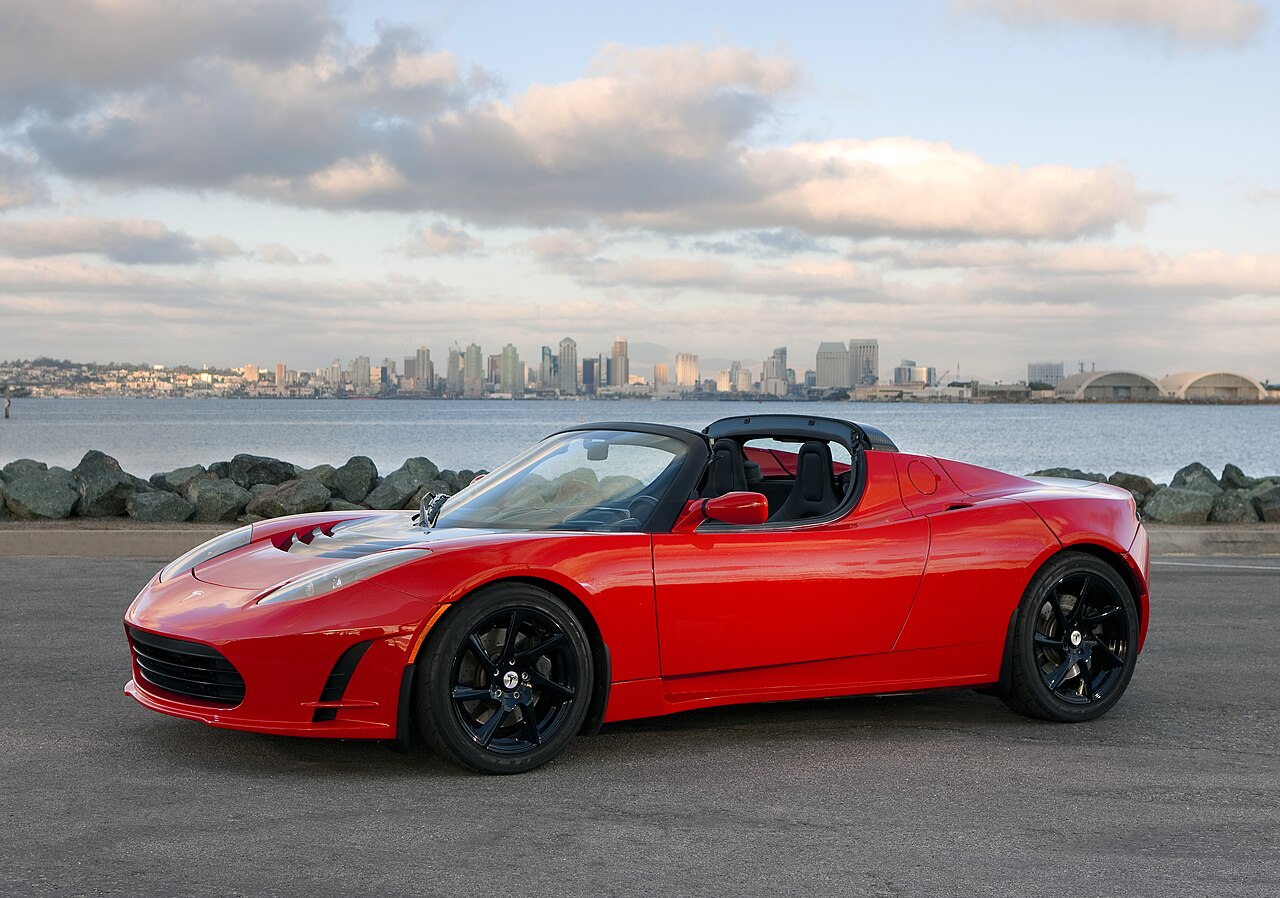
Tesla flying Roadster is the latest innovation from Elon Musk, combining cutting-edge technology with a futuristic design. This new vehicle promises to revolutionize how we think about driving and flying.
What is the Tesla flying Roadster?
The Tesla flying Roadster represents a groundbreaking innovation in the world of electric vehicles. Unveiled by Elon Musk, this futuristic vehicle combines the sleek design of the classic Roadster with the incredible capability of vertical takeoff and landing (VTOL) technology. This innovative approach not only enhances its performance but also redefines the driving experience.
Some key features of the Tesla flying Roadster include:
- Vertical Takeoff and Landing: The ability to take off and land like a helicopter opens up new possibilities for urban transportation.
- Electric Propulsion: Staying true to Tesla’s mission, the flying Roadster utilizes an advanced electric propulsion system, ensuring zero emissions.
- High Performance: With jet-like acceleration, the Roadster can reach impressive speeds, making it not just a mode of transport but a thrilling ride.
- Autonomous Features: The vehicle is equipped with cutting-edge AI technology for enhanced safety and navigation.
As we look to the future of transportation, the Tesla flying Roadster may well be a game changer, pushing the boundaries of innovation and redefining what it means to drive.
How does the flying feature work?
The Tesla flying Roadster utilizes advanced technology to achieve its remarkable flying capability. This innovative feature combines cutting-edge engineering with Tesla’s commitment to sustainable transport.
At the heart of the flying mechanism are adaptive wings that deploy when the vehicle reaches a certain speed. These wings are designed to be both lightweight and aerodynamic, allowing the Roadster to lift off the ground efficiently.
The flying feature is powered by electric propulsion systems, which offer a silent and eco-friendly alternative to traditional aviation engines. This aligns with Tesla’s mission to reduce carbon emissions while pushing the boundaries of automotive design.
Moreover, the Roadster is equipped with advanced sensors and navigation systems that ensure safe flying conditions. These systems provide real-time data on altitude, speed, and surrounding obstacles, allowing for a smooth flying experience.
In summary, the Tesla flying Roadster represents a significant leap in innovation, merging the realms of driving and flying into one exhilarating experience. Its unique features may very well redefine our expectations of personal transportation.
Elon Musk’s vision for the future
Elon Musk has long been known for his ambitious visions of the future, and the unveiling of the Tesla flying Roadster is no exception. His goal has always been to revolutionize transportation, and this latest innovation reflects his desire to push the boundaries of what is possible.
According to Musk, the Tesla flying Roadster is designed to offer not only speed but also versatility. He envisions a world where traditional roadways are supplemented by air travel, significantly reducing congestion and travel times. Musk’s approach combines cutting-edge technology with sustainability, aiming to create a vehicle that is both eco-friendly and efficient.
Key aspects of Musk’s vision include:
- Innovative Design: The flying Roadster boasts an aerodynamic shape that enhances both its performance and fuel efficiency.
- User-Friendly Features: Advanced autopilot capabilities are expected to make flying accessible to a wider audience.
- Environmental Impact: Utilizing electric power, this vehicle aims to minimize its carbon footprint.
As the Tesla flying Roadster prepares to take flight, Musk’s vision for future transportation is becoming increasingly tangible.
Comparing the Tesla flying Roadster to competitors
The unveiling of the Tesla flying Roadster has sparked considerable interest in the automotive and aviation industries. As this innovative vehicle takes center stage, it is essential to compare it to its competitors.
Currently, two main players are vying for dominance in the flying car market:
- Pal-V Liberty: This Dutch design combines a gyrocopter and a road vehicle. While it offers the ability to fly, its reliance on specific takeoff and landing requirements limits its practicality for everyday use.
- AeroMobil: This Slovak company has developed a flying car that transforms from a car to an aircraft. However, it requires a runway for takeoff, which may not suit urban environments.
In contrast, the Tesla flying Roadster promises a seamless transition between driving and flying, making it a potential game-changer. With its advanced technology and Tesla’s reputation for innovation, it could redefine personal transportation.
As the competition heats up, consumers will be eager to see if the Tesla flying Roadster truly lives up to its groundbreaking potential against these existing models.
Public reaction to the flying Roadster
The unveiling of the Tesla flying Roadster has sparked a diverse range of reactions from the public and industry experts alike. Many enthusiasts are excited about the innovative technology, viewing it as a significant leap forward in automotive design.
Social media has been buzzing with comments, showcasing a mix of enthusiasm and skepticism. Some users have expressed their admiration, stating that the flying Roadster could redefine personal transportation. Others, however, are more cautious, questioning the practicality and safety of such a vehicle.
- Excitement: Many fans are thrilled at the idea of flying cars becoming a reality, praising Tesla’s commitment to pushing boundaries.
- Skepticism: Critics have raised concerns about air traffic regulations and the potential for accidents, noting that the flying Roadster may not be ready for mass adoption.
- Curiosity: Some are simply intrigued, eager to learn more about how the flying feature will integrate with daily life.
As discussions continue, it remains to be seen whether the Tesla flying Roadster will live up to its ambitious promise and become a staple in future transportation.
Is the flying Roadster safe?
The introduction of the Tesla flying Roadster has sparked a debate about safety. While the innovative design promises an exhilarating experience, concerns regarding its safety features are paramount.
Many experts emphasize the importance of rigorous testing and adherence to safety protocols. The following aspects are crucial in evaluating the safety of the flying Roadster:
- Stability and Control: Ensuring that the vehicle maintains stability during flight is essential. Tesla claims to have implemented advanced control systems to counteract turbulence and ensure smooth operation.
- Emergency Protocols: The presence of reliable emergency landing systems is vital. Tesla has indicated that the flying Roadster will feature automated safety measures to handle unexpected situations.
- Regulatory Compliance: The Roadster must meet aviation regulations, which can be more stringent than typical automotive standards. Compliance is necessary to ensure the vehicle is safe for public use.
- Public Perception: Gaining public trust is as important as technical safety. Consumers will need reassurance that the flying Roadster is a safe choice for everyday travel.
As these safety considerations are addressed, the flying Roadster could redefine transportation.
Future of flying cars in the market
The future of flying cars in the market is rapidly evolving, with innovations like the Tesla flying Roadster leading the charge. As urban congestion continues to worsen, the demand for alternative transportation solutions is growing. Experts predict that flying cars could play a significant role in alleviating traffic woes and enhancing mobility.
Several companies are investing heavily in this technology, aiming to create viable flying vehicles for mass production. The Tesla flying Roadster has generated considerable excitement, with its sleek design and advanced features making it a strong contender in this emerging market.
Key factors influencing the future of flying cars include:
- Regulatory frameworks that ensure safety and air traffic management.
- Technological advancements in battery life and propulsion systems.
- Public acceptance and the perceived practicality of flying vehicles in daily life.
- Infrastructure development that supports take-off and landing zones.
As innovations continue to unfold, the Tesla flying Roadster stands at the forefront, potentially shaping the future of personal transportation.
via Wikimedia Commons