


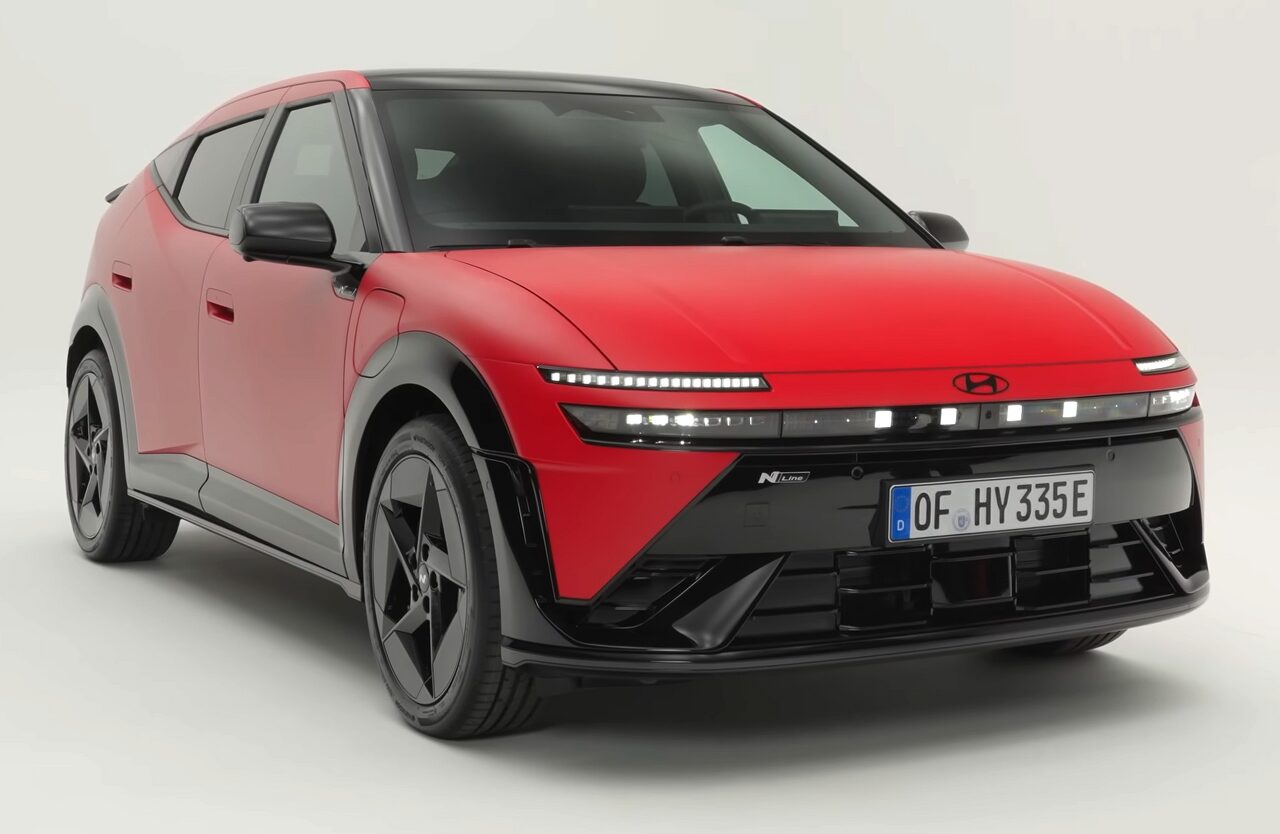
The Hyundai Ioniq 3 has been revealed, showcasing its innovative design and features. This compact electric hatch is generating buzz, but unfortunately, it’s not available for everyone.
Overview of the Hyundai Ioniq 3
The Hyundai Ioniq 3 has recently been unveiled, but the reception has not been as enthusiastic as the automaker might have hoped. This compact electric hatch aims to compete in a growing market for EVs, yet several factors have raised concerns among potential buyers and industry experts alike.
Despite its sleek design and impressive range, the Ioniq 3 seems to fall short in critical areas. Among the major issues highlighted are:
- Performance: Critics argue that its acceleration and handling do not match up to rivals in the same class.
- Interior Quality: The materials used in the cabin have been described as subpar, lacking the refinement expected at this price point.
- Technology: While equipped with modern features, the infotainment system has received mixed reviews for its usability.
As the electric vehicle market evolves, the Hyundai Ioniq 3 may struggle to find its footing among stronger competitors.
Key Features of the Ioniq 3
The Hyundai Ioniq 3 comes equipped with several features that aim to enhance the driving experience, although opinions on its effectiveness vary. Here are some of the key features:
- Electric Powertrain: The Ioniq 3 boasts an electric powertrain designed for efficiency, but reviews suggest it may lack the punch expected from a compact electric hatch.
- Interior Comfort: With spacious seating and modern design, the interior aims to provide comfort for passengers; however, some critics note that material quality could be improved.
- Infotainment System: The vehicle includes a touchscreen infotainment system, featuring smartphone integration, although its responsiveness has been questioned.
- Safety Features: Advanced safety features are included, such as lane-keeping assist and automatic emergency braking, which are generally well-received.
- Charging Capabilities: The Ioniq 3 supports rapid charging, allowing drivers to recharge quickly, but actual charging times may vary.
While the Hyundai Ioniq 3 presents a mix of appealing features, the overall reception indicates that it may not meet the expectations of all drivers.
Performance Expectations
The performance expectations for the Hyundai Ioniq 3 have left many enthusiasts feeling underwhelmed. While the compact electric hatch aims to compete with other models in the growing EV market, its specifications suggest it may not deliver the excitement that drivers seek.
Several key aspects have been highlighted in early reviews:
- Acceleration: The Ioniq 3 is expected to be modest in its acceleration, potentially lagging behind competitors like the Tesla Model 3 and Ford Mustang Mach-E.
- Range: With a projected range that falls short of industry standards, the compact electric hatch may leave drivers worried about long-distance travel.
- Handling: Critics have pointed out that the handling may not be as engaging as that of rival models, potentially detracting from the overall driving experience.
As such, while the Hyundai Ioniq 3 boasts an impressive array of features, its performance may not resonate with buyers looking for a thrilling electric driving experience.
Design and Aesthetics
The design and aesthetics of the Hyundai Ioniq 3 have drawn mixed reviews from automotive enthusiasts. While some appreciate its modern, sleek lines, others find it lacking in creativity compared to its competitors. The exterior features a distinctive front grille, sharply designed headlights, and a sloping roofline that aims to offer an aerodynamic profile.
Inside, the Ioniq 3 continues the trend of minimalism with a focus on functionality. The dashboard is clean, with a digital display that integrates seamlessly with the vehicle’s infotainment system. However, critics argue that the choice of materials feels subpar for a car in this segment.
Key design elements include:
- Exterior Color Options: A variety of vibrant colors are available.
- LED Lighting: Both front and rear lights utilize LED technology for a modern touch.
- Interior Space: While compact, the cabin aims to maximize comfort for passengers.
Overall, the Hyundai Ioniq 3’s design may not resonate with everyone, leaving some to question its appeal in the competitive electric hatch market.
Market Availability
The market availability of the Hyundai Ioniq 3 has been a topic of much discussion among electric vehicle enthusiasts. Although the vehicle has been officially revealed, it seems that consumers may face challenges in getting their hands on this compact electric hatch.
Reports indicate that the Ioniq 3 will initially be launched in select markets, primarily focusing on regions that have shown a strong demand for electric vehicles. Unfortunately, customers in several countries may not see this model on dealership lots anytime soon.
Factors contributing to its limited availability include:
- Production capacity constraints
- Supply chain issues affecting electric vehicle components
- Strategic decisions by Hyundai regarding market prioritization
As a result, prospective buyers may need to wait longer than anticipated before they can experience the features and performance that the Hyundai Ioniq 3 promises. This situation leaves many wondering whether the excitement surrounding the launch will translate into actual sales for the brand.
Competitors in the Electric Hatch Segment
As the electric vehicle market continues to grow, the Hyundai Ioniq 3 finds itself in a competitive landscape filled with noteworthy rivals. Several models are vying for consumer attention in the compact electric hatch segment, each bringing unique features and advantages.
- Tesla Model 3: Known for its impressive range and performance, the Model 3 offers a superior driving experience, making it a preferred choice among electric vehicle enthusiasts.
- Volkswagen ID.3: The ID.3 stands out with its spacious interior and advanced tech features, appealing to those looking for practicality in an electric hatch.
- Ford Mustang Mach-E: Although slightly larger, the Mach-E combines style and efficiency, attracting buyers looking for a sporty electric option.
- BMW i3: The i3, with its distinctive design and premium feel, caters to a niche market seeking luxury in the electric hatch segment.
While the Hyundai Ioniq 3 presents a compelling package, it must rise to the challenge posed by these established competitors to secure its place in the market.
via Wikimedia Commons
References
You might also like
Dhanteras vehicle shortage hits deliveries with proven impact · Active Under-Seat Subwoofer: Best Audio Upgrade for Cars · Indian Railways Charging Shutdown: Is It a Smart Move?
