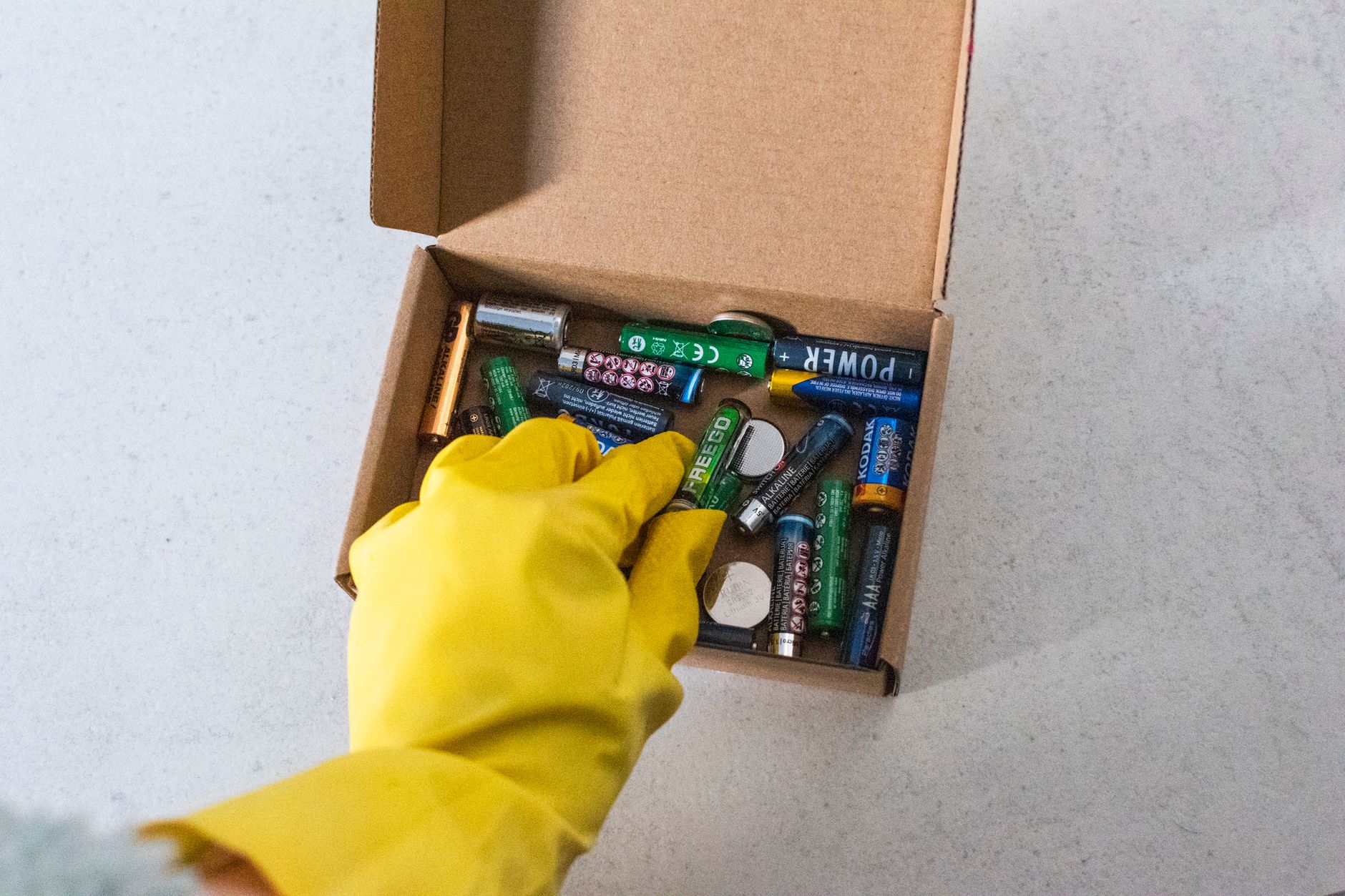
Battery waste recycling is becoming a crucial process in turning discarded materials into valuable resources. This innovative approach not only addresses environmental concerns but also presents economic opportunities.
Understanding Battery Waste
Battery waste is rapidly becoming a significant environmental concern due to the increasing reliance on electronic devices and electric vehicles. As these batteries reach the end of their lifecycle, the need for effective battery waste recycling methods has never been more critical.
Understanding the composition of battery waste is essential for developing sustainable recycling practices. Key components include:
- Lithium – a vital element in rechargeable batteries, prized for its use in technology.
- Cobalt – used to enhance battery performance but poses ethical sourcing challenges.
- Nickel – important for energy density in batteries.
With proper recycling, these materials can be recovered and reused, potentially transforming battery waste into strategic mineral wealth while also addressing environmental issues.
The Importance of Recycling
The growing concern over environmental sustainability has brought battery waste recycling into the spotlight. As the world transitions to renewable energy and electric vehicles, the demand for batteries continues to surge. However, the improper disposal of these batteries poses significant risks to our ecosystem.
Recycling battery waste not only helps in reducing pollution but also plays a crucial role in recovering valuable materials. The process can yield essential minerals like lithium, cobalt, and nickel, which are vital for producing new batteries.
Moreover, battery waste recycling can create economic opportunities. By investing in recycling facilities, communities can foster job creation and stimulate local economies. This multifaceted approach highlights the importance of responsible battery disposal, not just for environmental health, but also for potential economic wealth.
Economic Benefits of Battery Waste Recycling
The economic benefits of battery waste recycling are becoming increasingly apparent as industries seek sustainable solutions. By recycling used batteries, companies can recover valuable materials, which can significantly reduce the costs associated with raw material extraction.
Some key advantages include:
- Cost Savings: Recycling helps lower production costs by providing a steady supply of recovered materials.
- Job Creation: The recycling industry can create numerous jobs, from collection to processing.
- Environmental Impact: Reducing the need for new materials decreases environmental degradation associated with mining.
- Strategic Resource Management: Battery waste recycling supports a circular economy, ensuring that valuable minerals are reused rather than discarded.
Ultimately, investing in battery waste recycling not only addresses environmental concerns but can also lead to significant economic growth.
Technological Innovations in Waste Management
In recent years, technological innovations in waste management have significantly advanced the field of battery waste recycling. These developments not only enhance efficiency but also maximize the recovery of valuable materials from used batteries.
Key innovations include:
- Hydrometallurgical processes that enable the extraction of metals like lithium, cobalt, and nickel with minimal environmental impact.
- Automated sorting systems that improve the accuracy of battery classification, ensuring better recycling outcomes.
- Research in bioleaching, using microorganisms to extract metals, which offers a sustainable alternative to traditional methods.
These advancements not only contribute to reducing battery waste but also pave the way for a circular economy, turning discarded batteries into a source of strategic mineral wealth.
Environmental Impact of Battery Disposal
The environmental impact of battery disposal is a growing concern as the demand for electronic devices continues to rise. Improper disposal can lead to hazardous materials leaching into the soil and water systems, posing serious health risks to both humans and wildlife.
Battery waste recycling presents a viable solution to these challenges by reducing the harmful effects associated with discarded batteries. By reclaiming valuable materials such as lithium, cobalt, and nickel, recycling processes not only minimize environmental damage but also contribute to a circular economy.
Furthermore, enhanced recycling methods can significantly decrease the need for mining new resources, which often leads to habitat destruction and increased pollution.
Ultimately, battery waste recycling is essential not only for environmental sustainability but also for fostering a healthier planet for future generations.
Future Trends in Battery Recycling
The future of battery waste recycling appears promising as industries evolve to meet increasing demand for sustainable practices. As technology advances, innovative methods are being developed to enhance the efficiency of recycling processes.
Several trends are emerging in the battery recycling sector:
- Increased Automation: Advanced robotic systems are being integrated to streamline sorting and processing.
- Urban Mining: This concept involves extracting valuable materials from urban waste, including discarded batteries.
- Partnerships and Collaborations: Companies are forming alliances to share technologies and resources, boosting recycling capabilities.
- Regulatory Frameworks: Governments are establishing stricter regulations, encouraging higher recycling rates and better waste management practices.
These trends signal a shift towards more economically viable and environmentally responsible methods of managing battery waste.
Challenges in the Recycling Process
The process of battery waste recycling is not without its challenges. These hurdles can significantly impact the efficiency and effectiveness of recycling efforts. Some of the key challenges include:
- Complexity of Battery Composition: Many batteries contain a mix of materials, making it difficult to separate valuable components from hazardous substances.
- Economic Viability: The cost of recycling processes can sometimes outweigh the financial returns, discouraging investment in battery waste recycling initiatives.
- Regulatory Hurdles: Compliance with various environmental regulations can complicate the recycling process, leading to delays and increased costs.
- Lack of Public Awareness: Many consumers are unaware of proper disposal methods, leading to increased battery waste entering landfills instead of recycling programs.
Addressing these challenges is crucial for maximizing the potential benefits of battery waste recycling.
Photo by Julia Krasnoperova on Pexels