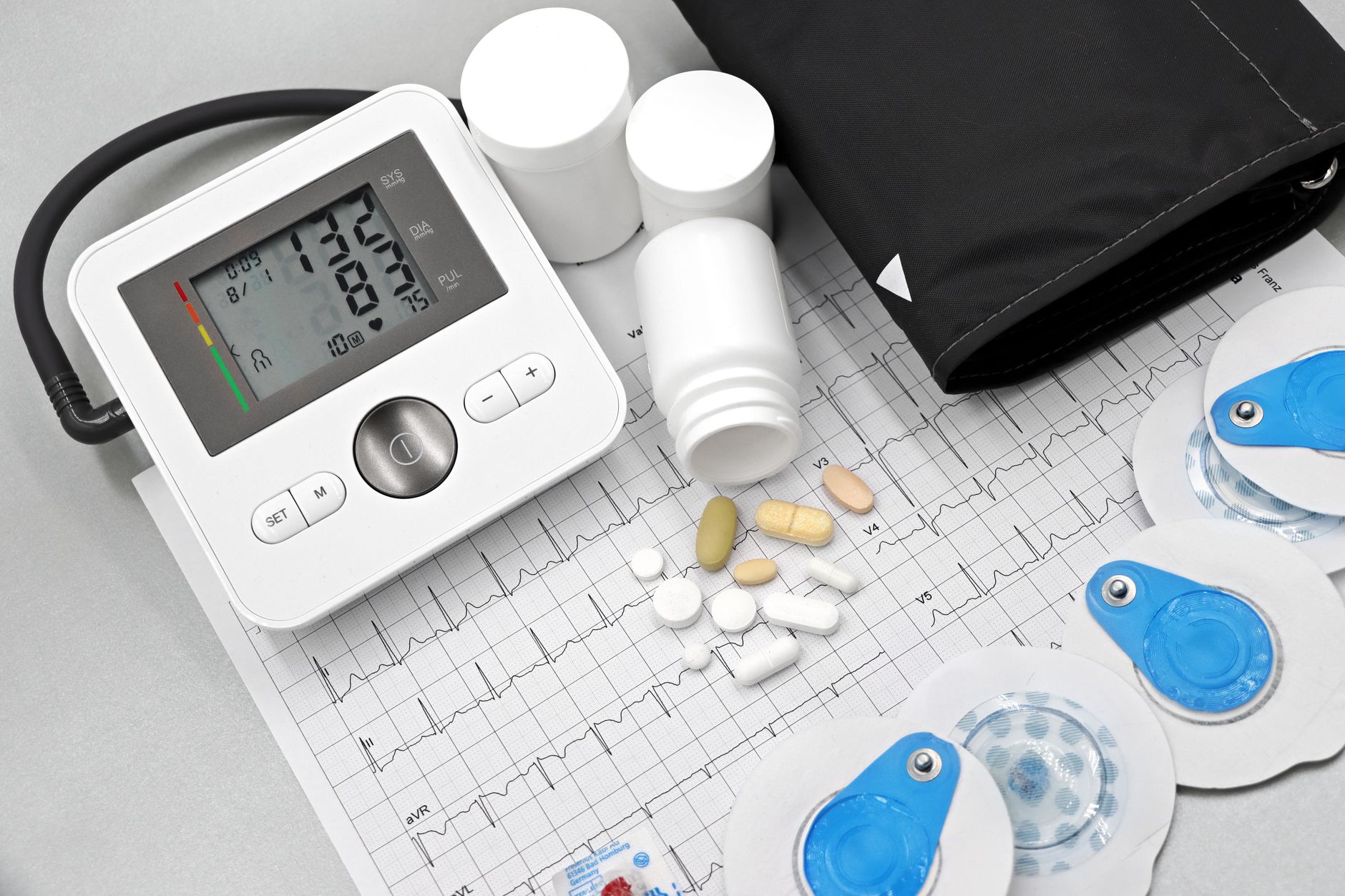
The blood pressure drug recall has raised concerns over potential contamination risks. This nationwide recall affects many patients relying on these medications for their health.
What led to the blood pressure drug recall?
The recent blood pressure drug recall has raised significant concerns among healthcare professionals and patients alike. The recall was initiated after a routine quality control check revealed the potential presence of metal contamination in several batches of the medication.
Officials from the regulatory agency stated that the contamination risk was linked to manufacturing processes that may have compromised the integrity of the drug. Specifically, small metal particles were discovered, which could pose serious health risks if ingested over an extended period.
As a preventive measure, the manufacturer decided to recall the affected products nationwide to ensure patient safety. The decision was made swiftly to minimize exposure and protect those relying on the medication to manage their blood pressure effectively.
Health experts have urged patients who have been prescribed these medications to consult their healthcare providers immediately. In addition, they recommend checking the packaging for any recall notices or contacting pharmacies for guidance.
In light of this incident, the importance of stringent quality controls in pharmaceutical manufacturing has come under scrutiny, emphasizing the need for rigorous testing to prevent future contamination risks.
How to check if your medication is affected
If you are concerned that your medication may be affected by the recent blood pressure drug recall, there are several steps you can take to determine if your prescription is among those impacted.
- Check the Label: Start by examining the label on your medication bottle. Look for the name of the drug and its manufacturer. The recalled medications typically have specific lot numbers that can be found on the label.
- Visit Official Websites: The FDA and the manufacturer’s website often provide updated lists of affected products. You can search for your medication on these sites to see if it has been included in the recall.
- Contact Your Pharmacy: Reach out to your local pharmacy where you obtained your medication. They can provide information on whether your prescription is part of the blood pressure drug recall and advise on next steps.
- Consult Your Doctor: If you are unsure about the safety of your medication, consult your healthcare provider. They can offer guidance on alternatives and ensure your treatment continues safely.
Staying informed is crucial for your health, especially during recalls due to serious contamination risks.
Health risks associated with contamination
The recent blood pressure drug recall has raised significant concerns regarding health risks associated with contamination. Consumers and healthcare professionals are urged to be vigilant about the potential dangers posed by affected medications.
Contaminated blood pressure medications can lead to a range of serious health issues, including:
- Cardiovascular complications: Patients relying on these drugs may experience heightened blood pressure levels, increasing the risk of heart attacks or strokes.
- Kidney damage: Prolonged exposure to contaminants could impair kidney function, leading to potential kidney failure.
- Allergic reactions: Some individuals might develop allergic responses to the impurities found in contaminated drugs, resulting in symptoms such as rashes, swelling, or difficulty breathing.
- Long-term health effects: Continuous consumption of tainted medications could result in chronic health issues, complicating existing conditions and requiring additional treatment.
It is crucial for patients to consult with their healthcare providers if they suspect their blood pressure drug is part of the recall. Taking swift action can mitigate health risks associated with contamination and ensure safer treatment alternatives are pursued.
Steps to take if you have the recalled drug
If you have been prescribed a medication that is part of the blood pressure drug recall, it is important to take immediate action to ensure your safety. Here are the steps you should follow:
- Stop taking the medication: If you identify that your medication is affected by the recall, discontinue use immediately. Do not try to finish the remaining doses.
- Consult your healthcare provider: Reach out to your doctor or pharmacist to discuss alternative treatment options. They can guide you on how to manage your blood pressure safely.
- Return the medication: Safely dispose of the recalled drug by returning it to your pharmacy or following local disposal guidelines.
- Monitor your health: Keep track of any unusual symptoms or changes in your health. If you experience any adverse effects, seek medical attention promptly.
- Stay updated: Keep an eye on official announcements regarding the blood pressure drug recall for any new information or recommendations.
By taking these steps, you can help protect yourself from potential health risks associated with the contaminated medication and ensure your blood pressure management continues effectively.
Expert opinions on the recall
Experts have expressed significant concern regarding the recent blood pressure drug recall, emphasizing the serious contamination risk that has come to light. Dr. Jane Thompson, a pharmaceutical expert, noted, “The presence of metal contaminants in medications can pose severe health risks, particularly for patients with pre-existing conditions.” She urged consumers to remain vigilant about the medications they are taking and to consult with their healthcare providers immediately.
Another expert, Dr. Michael Chen, highlighted the importance of transparency from pharmaceutical companies. “Patients should be informed not only about the recall but also about the potential sources of contamination,” he stated. He emphasized that understanding the manufacturing processes can help prevent future incidents.
In addition, Dr. Sarah Patel pointed out the psychological impact of such recalls on patients. “Many individuals may experience anxiety and distrust towards their medications, which can lead to non-adherence,” she explained. She recommended that patients discuss any concerns with their doctors to ensure that they are receiving the best alternative treatment.
As the blood pressure drug recall unfolds, experts continue to call for stringent quality control measures to safeguard public health.
Future implications for drug safety
The recent blood pressure drug recall has raised significant concerns regarding the safety and quality control of pharmaceuticals. As regulatory bodies assess the situation, the implications for drug safety are becoming increasingly apparent. The contamination of medications with harmful substances not only poses risks to patients but also undermines the trust placed in pharmaceutical companies and regulatory agencies.
Experts suggest that this incident could lead to stricter regulations and more rigorous testing protocols. Manufacturers may be required to enhance their quality assurance processes to prevent similar issues in the future. Increased transparency in the supply chain could also emerge as a priority, ensuring that all components used in drug production meet safety standards.
Furthermore, the blood pressure drug recall may prompt patients to become more vigilant about their medications. Consumers could start to demand greater accountability from drug manufacturers, advocating for more information about the origins and safety of their prescribed medications. Public awareness campaigns may also play a crucial role in educating patients about the importance of reporting adverse effects and potential contamination.
Ultimately, the fallout from this recall may lead to a significant shift in how drug safety is perceived and managed, with an emphasis on proactive measures to protect public health.
Resources for affected patients
For patients affected by the recent blood pressure drug recall, it is essential to have access to reliable resources to navigate this situation effectively. Here are some valuable options:
- Pharmacy Consultation: Patients should contact their pharmacy for guidance on returning the recalled medication and obtaining a suitable alternative.
- Healthcare Provider: Discuss any concerns with your doctor, who can provide personalized advice and may adjust your treatment plan if necessary.
- FDA Resources: The U.S. Food and Drug Administration (FDA) offers updates on drug recalls, including specific details about affected products and safety information. Visit their website for the latest announcements.
- Patient Advocacy Groups: Organizations such as the American Heart Association may provide additional support and resources for patients dealing with hypertension and medication issues.
- Support Hotlines: Some pharmaceutical companies have established hotlines to assist patients affected by the recall, offering information and guidance on the next steps.
Staying informed and utilizing available resources is crucial for minimizing health risks associated with the blood pressure drug recall and ensuring a smooth transition to alternative therapies.
Photo by Marta Branco on Pexels