


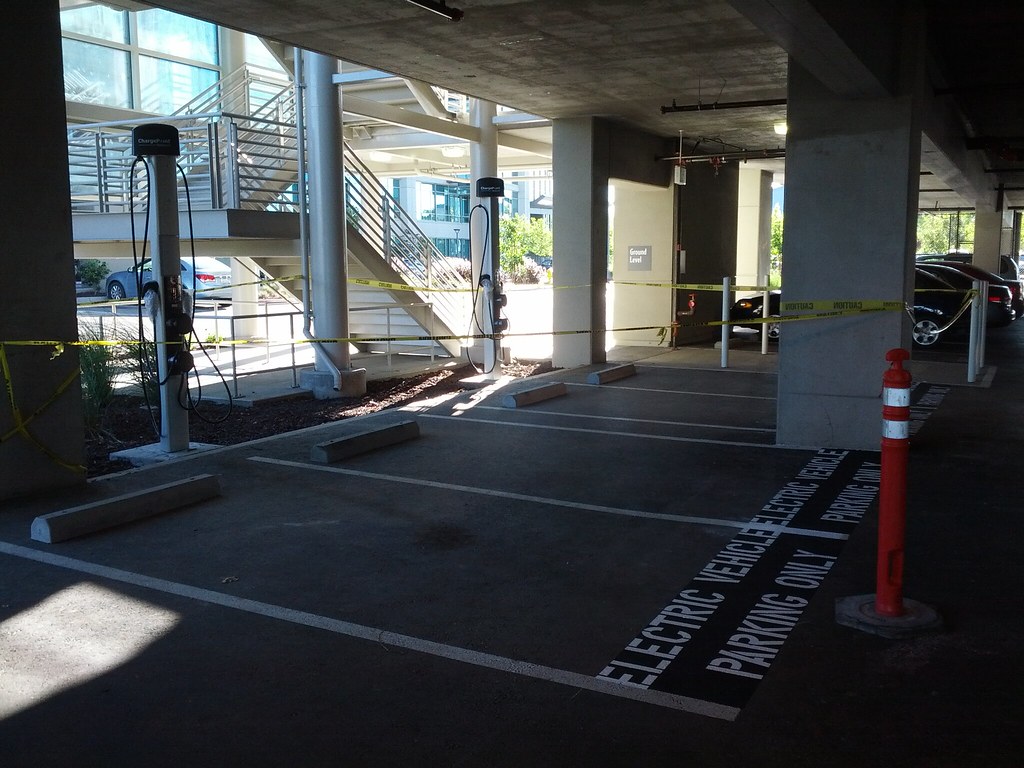
EV charging progress is essential for enhancing the infrastructure of electric vehicles. Recent developments show promising advancements in operational chargers that can support this growth.
Current State of EV Charging
The current state of EV charging is marked by significant advancements and challenges as the demand for electric vehicles continues to rise. According to recent reports, the infrastructure needed to support this growth is evolving rapidly. Several key factors contribute to the ongoing EV charging progress, ensuring that users have better access and convenience.
- Expansion of Charging Networks: Many companies are investing in expanding their networks of chargers, focusing on urban areas and highways to facilitate long-distance travel.
- Fast-Charging Technology: Innovations in fast-charging technology are reducing the time required to charge electric vehicles, making them more appealing to consumers.
- Public-Private Partnerships: Collaboration between government entities and private companies is essential for the development of charging stations, often resulting in increased funding and strategic planning.
- Consumer Awareness: As more consumers become aware of the benefits of electric vehicles, the demand for accessible charging options has grown, prompting action from various stakeholders.
- Integration with Renewable Energy: Many new charging stations are integrating renewable energy sources, which not only supports sustainability but also appeals to environmentally conscious users.
While challenges remain, such as the need for more widespread infrastructure and standardization, the overall progress in EV charging is encouraging and essential for the future of electric mobility.
Challenges in EV Infrastructure
The rapid growth of electric vehicles (EVs) has highlighted several challenges in the development of EV charging infrastructure. As the demand for EV charging progress accelerates, stakeholders must address these obstacles to ensure a seamless transition to electric mobility.
- Insufficient Charging Stations: One of the primary challenges is the limited number of charging stations available, particularly in rural areas. This scarcity can deter potential EV buyers who may be concerned about accessibility.
- Charging Speed: While advancements in technology have led to faster charging solutions, many existing stations still offer slow charging options. This inconvenience can lead to long wait times, which may discourage EV use.
- Grid Capacity: The increased demand for electricity to support widespread EV charging can strain local power grids. Upgrading infrastructure to handle this demand is a critical step in facilitating EV charging progress.
- Lack of Standardization: There is currently no universal standard for EV charging connectors, which can create confusion among consumers and complicate the charging process.
Addressing these challenges requires collaboration among government agencies, private companies, and consumers. By implementing innovative solutions and investing in infrastructure, the path toward comprehensive EV charging progress can be achieved.
Innovative Solutions for Charging
The advancement of electric vehicle (EV) charging infrastructure is critical to supporting the increasing adoption of EVs. Innovative solutions for charging are emerging, aimed at addressing the limitations of current systems and enhancing user experience.
One promising approach is the implementation of smart charging networks. These networks use real-time data to optimize charging sessions, allowing users to charge their vehicles during off-peak hours when electricity rates are lower. This not only reduces costs for consumers but also eases the demand on the grid.
Another solution gaining traction is ultra-fast charging stations. With the ability to charge a vehicle in under 30 minutes, these stations can significantly reduce wait times for drivers and increase the overall efficiency of the charging process. Furthermore, they can be strategically placed along major highways to facilitate long-distance travel.
Additionally, the integration of renewable energy sources into charging stations is a key strategy for sustainable growth. By utilizing solar panels or wind energy, these stations can provide cleaner energy options, aligning with the environmental goals of many EV owners.
As the EV charging progress continues, embracing these innovative solutions will be essential to overcoming existing challenges and supporting the widespread adoption of electric vehicles.
Government Policies Impacting EVs
Government policies play a crucial role in shaping the landscape of EV charging progress. Various initiatives and regulations are being implemented to enhance infrastructure and encourage the adoption of electric vehicles across the globe.
Many governments have introduced incentives for both consumers and businesses to promote the installation of charging stations. These incentives may include:
- Tax credits for EV buyers
- Grants for businesses to set up charging infrastructure
- Reduced permitting fees for new charging stations
Additionally, some governments are establishing regulatory frameworks that streamline the process for deploying EV chargers. This includes:
- Standardizing charging technology to ensure compatibility
- Implementing zoning laws that facilitate the construction of charging stations
- Setting ambitious targets for the number of public chargers available
Furthermore, public-private partnerships are becoming increasingly common, allowing for shared investment in EV charging networks. By fostering collaboration between government and industry, these policies can significantly accelerate EV charging progress and help create a robust infrastructure that supports the growing demand for electric vehicles.
Future of Electric Vehicle Charging
The future of electric vehicle charging is bright, driven by advancements in technology and a growing commitment to sustainable transportation. As the demand for electric vehicles (EVs) continues to rise, the progress in EV charging infrastructure plays a crucial role in supporting this transition.
One of the key trends shaping the future of EV charging is the integration of renewable energy sources. By harnessing solar, wind, and other green energy, charging stations can reduce their carbon footprint significantly. This not only enhances the sustainability of EVs but also aligns with global climate goals.
Additionally, smart charging solutions are gaining traction. These technologies allow for real-time monitoring and management of energy consumption, optimizing charging times to take advantage of lower electricity rates. This results in cost savings for EV owners while easing demand on the power grid during peak hours.
Innovative partnerships between public and private sectors are also emerging, leading to the expansion of charging networks. By collaborating with technology companies, charging providers can offer more convenient and user-friendly services, such as mobile apps for locating nearby chargers and scheduling charging sessions.
As these trends continue to evolve, the progress in EV charging will be pivotal in accelerating the adoption of electric vehicles, making them a viable option for more consumers.
To achieve significant EV charging progress, it is essential to invest in both infrastructure and technology. Collaborative efforts between governments and private sectors can accelerate EV charging progress and ensure a sustainable future for electric vehicles.
By Mike Weston via Openverse
