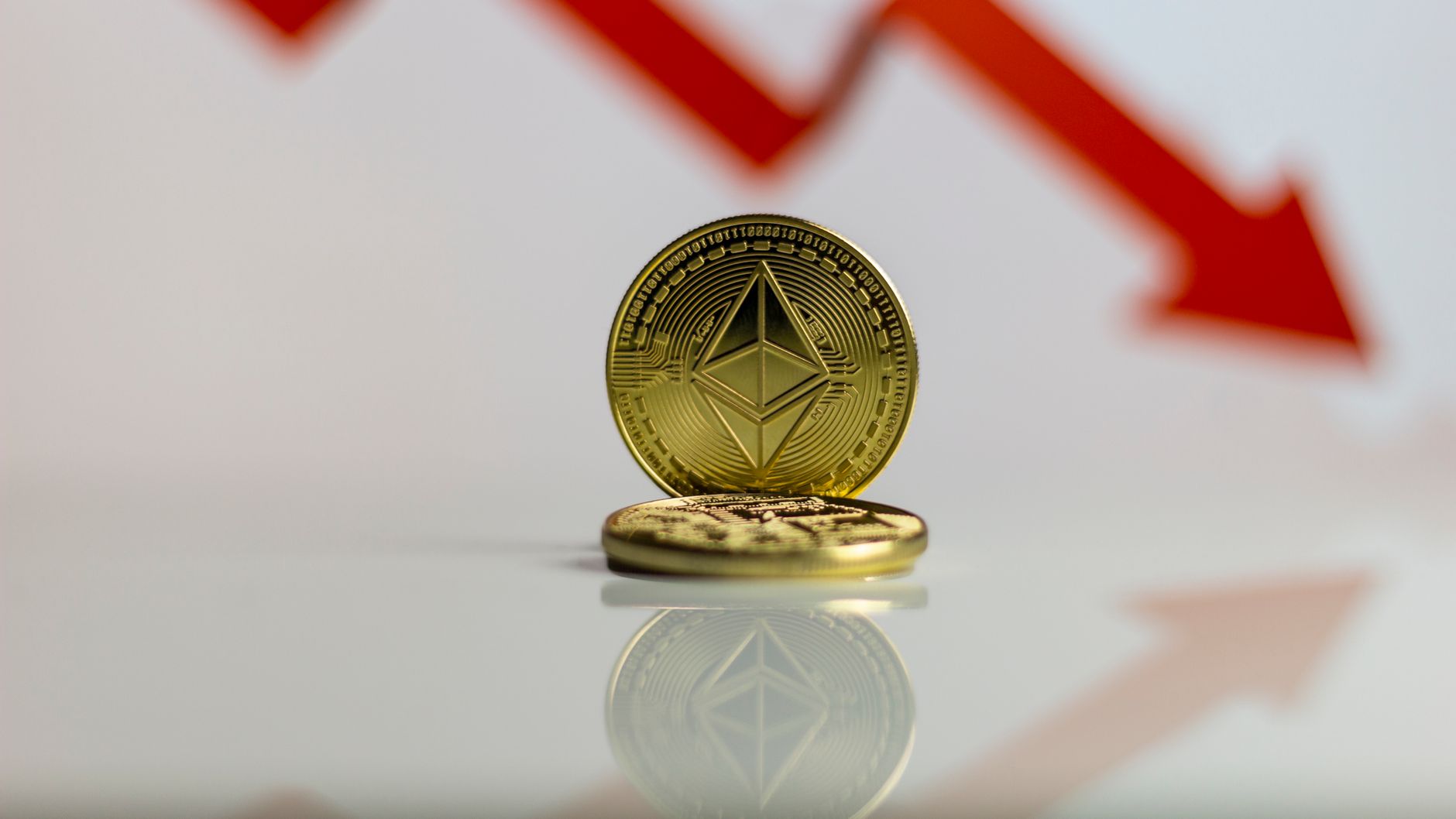
The gold price decline has raised concerns among investors as the market faces mounting challenges. Understanding the factors driving this downturn is crucial for those looking to navigate the current economic landscape.
Understanding the Current Gold Market
The gold price decline has become a focal point for investors and analysts alike as they seek to understand the factors contributing to this trend. In recent months, gold has seen significant fluctuations, leading many to question its long-term viability as a safe-haven asset.
Several key elements are influencing the current gold market:
- Inflation Rates: Rising inflation has often supported gold prices, but recent economic data suggests that central banks are tightening monetary policy, affecting gold’s appeal.
- Interest Rates: As interest rates increase, the opportunity cost of holding non-yielding assets like gold rises, prompting investors to shift their portfolios.
- Geopolitical Stability: A decrease in global tensions has diminished gold’s role as a hedge against uncertainty, contributing to the ongoing price decline.
Understanding these factors is crucial for anyone looking to navigate the complexities of the gold market today.
Historical Context of Gold Prices
The historical context of gold prices reveals several patterns that contribute to the current gold price decline. Over the decades, gold has been viewed as a safe haven during economic uncertainty. However, shifts in global economic conditions have often led to fluctuations in its value.
Several key factors have influenced gold prices in the past:
- Inflation Rates: High inflation typically drives gold prices up, while lower inflation can lead to a decline.
- Interest Rates: Rising interest rates often result in falling gold prices as investors seek higher returns from bonds and other assets.
- Geopolitical Tensions: Events such as wars and political instability have historically spurred demand for gold, increasing its price.
- Market Sentiment: Investor confidence plays a crucial role; a pessimistic outlook can lead to a surge in gold investment.
Understanding these historical trends is essential for grasping the reasons behind the current gold price decline.
Key Factors Driving the Price Decline
The recent gold price decline can be attributed to several key factors that are reshaping the market. Among them are:
- Rising Interest Rates: Central banks have been increasing interest rates, making gold less attractive as an investment compared to interest-bearing assets.
- Strengthening US Dollar: A robust dollar tends to push gold prices lower, as it becomes more expensive for holders of other currencies.
- Inflation Concerns: While gold is traditionally seen as a hedge against inflation, current economic conditions have led to fluctuating expectations about future inflation rates.
- Geopolitical Stability: Increased global stability has reduced the demand for gold as a safe-haven asset, contributing to its price decline.
These elements collectively illustrate why the gold price decline is not just a temporary setback but a reflection of broader economic trends.
Expert Opinions on Future Trends
Experts are weighing in on the gold price decline and what it could mean for the future of the market. Many analysts believe that the current downward trend is indicative of deeper economic issues. According to financial strategist Jane Doe, “The volatility in global markets and rising interest rates are primary contributors to the ongoing decline.”
Additionally, the shift in investor preference towards cryptocurrencies has raised concerns about the long-term viability of gold as a safe haven. Economist John Smith notes, “As digital currencies gain traction, traditional assets like gold may struggle to attract investment.”
Despite these challenges, some experts remain optimistic. They argue that gold maintains intrinsic value and can rebound in the face of economic instability. “While the short-term outlook appears grim, historical patterns suggest gold often recovers after downturns,” states analyst Sarah Johnson.
Overall, the consensus is that understanding these trends will be crucial for investors looking to navigate the turbulent waters ahead.
Investment Strategies During Downturns
As the gold price decline continues, investors are advised to adopt strategic approaches to mitigate losses and capitalize on potential opportunities. Here are some effective investment strategies during downturns:
- Diversification: Spreading investments across various asset classes can reduce risk. Consider including equities, bonds, and real estate alongside gold.
- Dollar-Cost Averaging: Regularly investing a fixed amount in gold can help average out the purchase price over time, minimizing the impact of volatility.
- Focus on Quality: Investing in high-quality gold stocks or ETFs that track gold prices can provide better resilience against downturns.
- Stay Informed: Keep abreast of market trends, geopolitical tensions, and economic indicators that can influence gold prices.
By implementing these strategies, investors can navigate the challenges posed by the current gold price decline while positioning themselves for future gains.
The Impact of Global Events on Gold
The recent decline in gold prices has been significantly influenced by various global events. As uncertainty looms in international markets, investors often turn to gold as a safe haven. However, recent trends indicate a shift in this behavior.
Key factors contributing to the current gold price decline include:
- Geopolitical Tensions: Ongoing conflicts and trade disputes have created volatility, impacting investor sentiment.
- Inflation Rates: Rising inflation has prompted central banks to increase interest rates, which typically strengthens the dollar and weakens gold’s allure.
- Economic Recovery: As economies recover from the pandemic, the demand for gold as a crisis hedge diminishes.
- Market Speculation: Increased speculation in other assets has diverted funds away from gold investments.
Overall, the interplay of these global events continues to shape the narrative around the gold price decline, prompting many analysts to reconsider the metal’s traditional role in portfolios.
Photo by Bastian Riccardi on Pexels