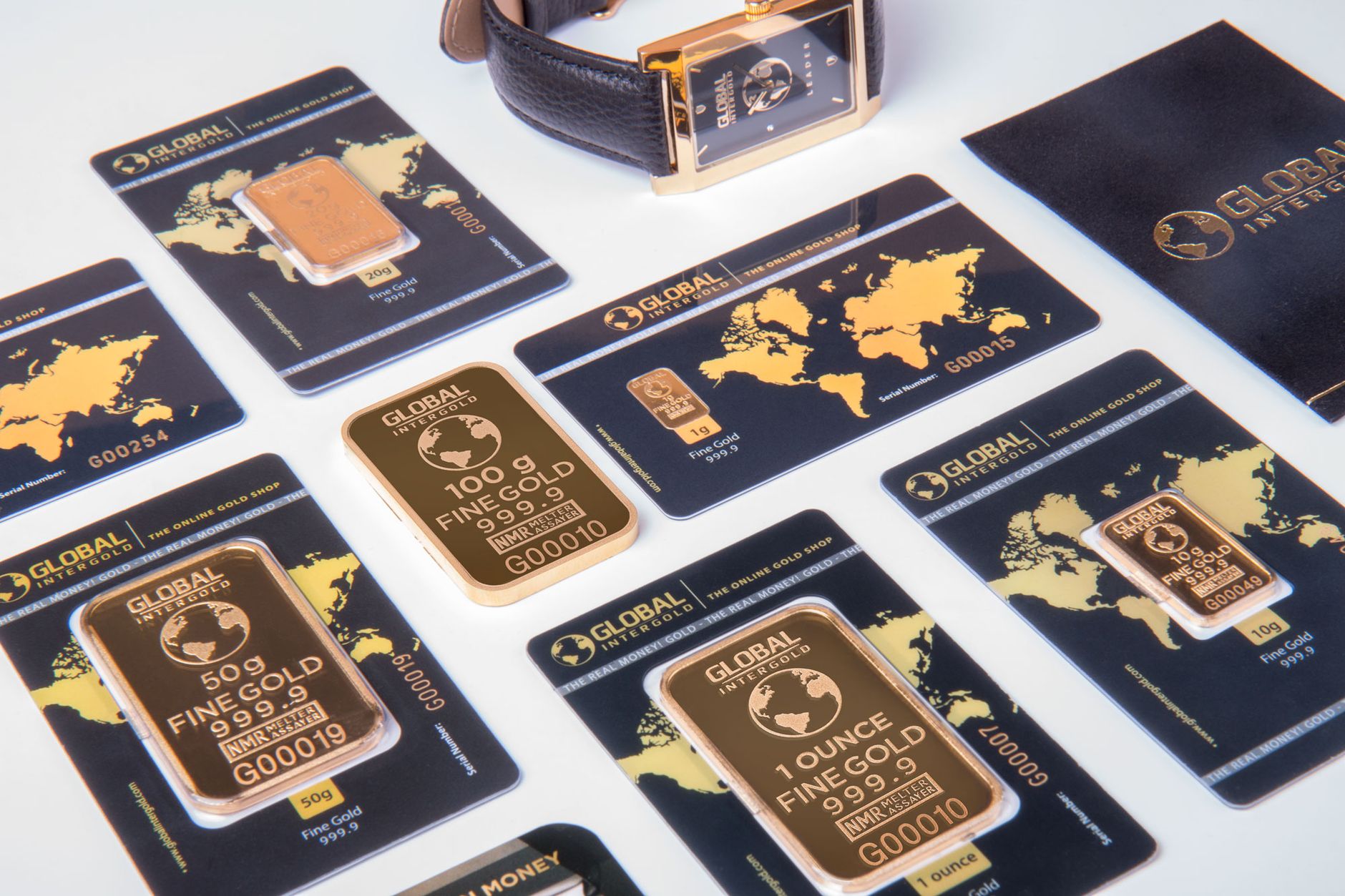
Gold price increase is in the spotlight as inflation fears ease on lower crude prices. This shift in the market could have significant implications for investors.
Understanding the Recent Gold Price Increase
The recent surge in gold prices can be attributed to a combination of market dynamics and economic indicators. As inflation fears begin to ease, particularly due to a decline in crude oil prices, investors are turning to gold as a safe haven. This shift is evident in the notable increase in gold’s value, which has climbed more than 1% in recent trading sessions.
Several factors are contributing to this trend:
- Easing Inflationary Pressures: The decrease in crude oil prices has led to a reduction in overall inflation expectations. This change has reassured investors who were previously concerned about rising costs.
- Safe Haven Demand: With economic uncertainties lingering, many investors are seeking stability in gold. The yellow metal has a long-standing reputation as a hedge against inflation and currency devaluation.
- Investment Trends: Increased buying from central banks and individual investors is pushing demand higher, further driving up the gold price.
As the market adjusts to these new economic realities, the gold price increase reflects broader trends in investor sentiment. Analysts suggest that the ongoing fluctuations in energy prices will continue to impact gold’s trajectory, making it a focal point for those monitoring economic conditions.
Factors Contributing to Easing Inflation
The recent gold price increase can be attributed to several key factors contributing to easing inflationary pressures. As the economy shows signs of stabilization, these elements play a crucial role in shaping market sentiments and investment behaviors.
- Lower Crude Oil Prices: A significant drop in crude oil prices has alleviated concerns over rising energy costs, which often trigger broader inflation. This decline allows consumers to experience lower transportation and heating expenses, contributing to overall economic relief.
- Improved Supply Chain Conditions: Following months of disruptions, supply chains are gradually returning to normal, leading to increased availability of goods. This improvement helps meet consumer demand without exacerbating price hikes.
- Central Bank Policies: Central banks, particularly the Federal Reserve, have signaled a more cautious approach to interest rate hikes. This shift reduces the immediate cost of borrowing, encouraging spending and investment, which can support economic growth without igniting inflation.
- Consumer Confidence: As inflation fears ease, consumer confidence is on the rise. When consumers feel secure in their financial situations, they are more likely to spend, which can further stimulate the economy.
These factors collectively contribute to a more favorable economic environment, influencing the recent trends in gold prices as investors seek stability amid fluctuating market conditions.
Impact of Crude Oil Prices on Gold
The recent increase in gold prices has been notably influenced by the fluctuations in crude oil prices. As crude oil prices decline, investors often see this as a significant indicator that inflationary pressures may be easing. This sentiment tends to drive investment towards gold, a traditional safe-haven asset, as people seek to protect their wealth from potential economic uncertainties.
Recent data suggests that a drop in crude oil prices can lead to a more stable economic outlook, which in turn supports the gold price increase. When oil becomes cheaper, transportation and production costs decrease, reducing the overall cost of goods and services. This can lead to lower inflation rates, which tends to bolster confidence in financial markets.
Moreover, the correlation between crude oil and gold prices is often attributed to the following factors:
- Investor Sentiment: Lower oil prices generally ease fears of escalating inflation, prompting investors to buy gold.
- Market Dynamics: A decrease in crude oil prices can lead to a stronger dollar, which typically has a contrasting effect on gold prices.
- Geopolitical Stability: Fluctuating oil prices can also signal changes in geopolitical stability, influencing gold as a hedge against uncertainty.
As the market continues to react to these dynamics, the gold price increase will likely remain a closely monitored indicator of economic health.
What Investors Should Know Now
As the gold price increase captures the attention of investors, it is essential to understand the implications of this trend in the current economic landscape. The recent data indicating a decline in inflation rates, coupled with lower crude oil prices, has led to renewed confidence in gold as a safe-haven asset.
Investors should consider the following factors when navigating this evolving market:
- Market Sentiment: With easing inflation fears, many investors are reassessing their portfolios. Gold typically performs well in uncertain economic conditions, making it an attractive option for those seeking stability.
- Interest Rates: The potential for interest rate adjustments by central banks may influence gold prices. A rise in interest rates often leads to a decrease in gold demand, while stable or lower rates can support further price increases.
- Global Events: Geopolitical tensions and economic instability can drive investors toward gold. Keeping an eye on global news can provide insights into future trends in gold prices.
- Diversification: As part of a diversified investment strategy, gold can help mitigate risks associated with other asset classes, particularly in volatile markets.
In conclusion, the gold price increase signifies more than just market fluctuations; it reflects broader economic conditions that investors should carefully evaluate to make informed decisions.
The recent gold price increase has sparked discussions among investors about its implications for the economy. Many analysts believe that the gold price increase is a direct reflection of easing inflationary pressures in the market.
Photo by Michael Steinberg on Pexels