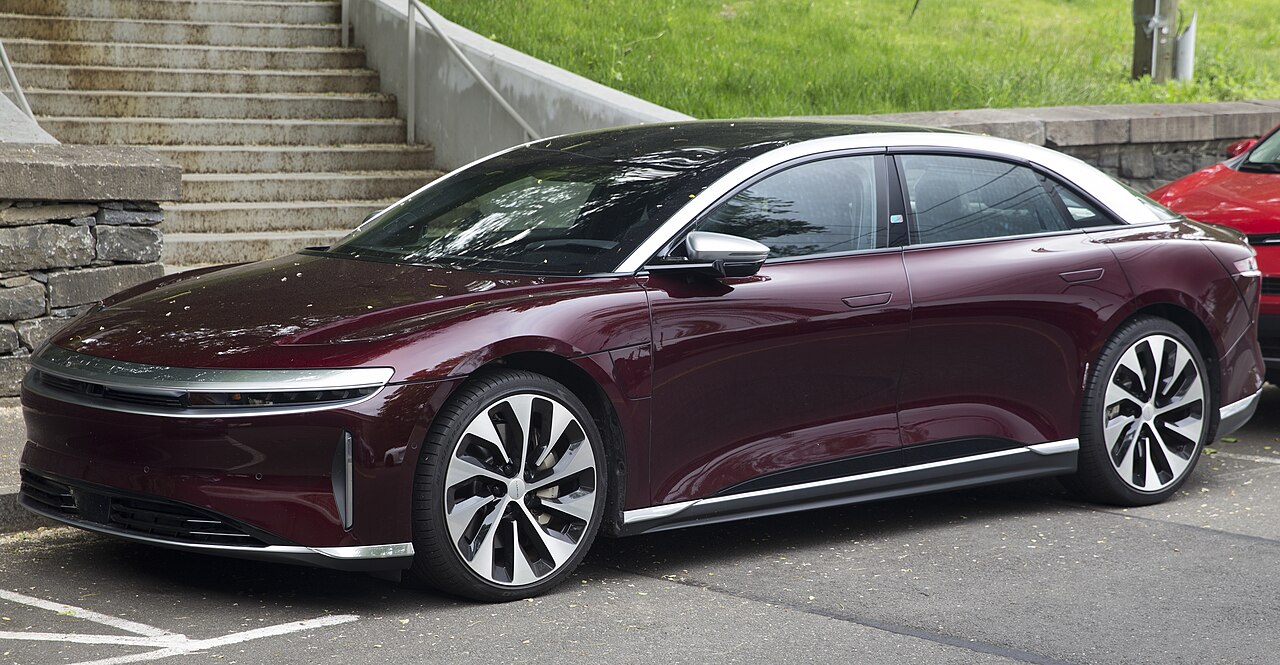
Lucid Q3 deliveries have seen a notable drop of 7%, raising concerns among investors and enthusiasts alike. The company has also slashed production by 38%, prompting questions about its future performance.
Overview of Lucid’s Q3 Performance
In the third quarter of 2023, Lucid Motors faced a significant challenge as it reported a 7% decline in Q3 deliveries compared to the previous quarter. This downturn is particularly striking considering the company’s ambitious growth plans and the increasing competition in the electric vehicle market.
Moreover, Lucid announced a drastic cut in production, reducing output by 38%. This decision raises concerns about the company’s ability to meet its delivery goals and maintain investor confidence.
Several factors have contributed to this decline:
- Supply Chain Issues: Ongoing global supply chain disruptions have hampered Lucid’s ability to manufacture vehicles at the desired pace.
- Market Competition: The surge in electric vehicle options from established and new automakers has made it more challenging for Lucid to attract buyers.
- Production Challenges: Quality control and production ramp-up issues have also negatively impacted delivery timelines.
As the company navigates these hurdles, the Q3 deliveries report raises questions about Lucid’s future performance and its strategies to recover from this setback. Investors and analysts are closely monitoring the company’s next steps in response to these challenges.
Impact of Production Cuts on Sales
The recent downturn in Lucid’s Q3 deliveries has raised significant concerns among investors and analysts alike. The company reported a 7% decrease in deliveries, which coincided with a substantial 38% cut in production. This drastic reduction in output is believed to have had a profound impact on sales, leading to questions about the sustainability of Lucid’s growth trajectory.
Several factors contribute to the impact of production cuts on sales:
- Supply Chain Challenges: Ongoing issues in the supply chain have hindered Lucid’s ability to meet its production targets, ultimately affecting the number of vehicles delivered.
- Market Competition: As competitors ramp up their production and delivery capabilities, Lucid’s reduced availability may make it less appealing to potential buyers.
- Investor Confidence: A decline in Q3 deliveries can lead to waning confidence among investors, potentially impacting stock prices and future funding opportunities.
As the company navigates these challenges, the implications of its production cuts will likely continue to resonate throughout the market. The question remains: Will the drop in deliveries mark the beginning of a troubling trend for Lucid? The future will reveal if these changes can be reversed in subsequent quarters.
Reasons Behind the 7% Delivery Drop
The recent decline in Lucid’s Q3 deliveries has raised concerns among investors and analysts alike. The 7% drop in deliveries can be attributed to several key factors that have contributed to this downturn.
- Production Cuts: Lucid’s decision to slash production by 38% significantly impacted the number of vehicles that could be delivered during the quarter. This move was aimed at adjusting to market demand but ultimately led to fewer units reaching customers.
- Supply Chain Challenges: Ongoing supply chain disruptions have continued to hinder Lucid’s ability to procure necessary materials and components. These challenges have delayed production timelines, further exacerbating the decrease in deliveries.
- Market Competition: The electric vehicle market has become increasingly competitive, with numerous established automakers and new entrants vying for market share. This heightened competition may have impacted Lucid’s sales performance, as consumers have a wider range of options available.
- Consumer Sentiment: Economic uncertainties and rising interest rates have led to cautious consumer spending. Potential buyers may be delaying their purchases, affecting overall demand for luxury electric vehicles like those offered by Lucid.
As Lucid navigates these challenges, the question remains: can the company rebound from this Q3 slump and improve future deliveries?
Market Reaction to Lucid’s News
The announcement of Lucid’s Q3 deliveries has prompted a mixed reaction in the market, with investors grappling with the implications of a 7% drop in deliveries amid significant production cuts. Analysts had anticipated a potential slowdown, but the extent of the decline has raised eyebrows across the financial landscape.
One major concern is how this drop in Q3 deliveries could affect Lucid’s long-term growth trajectory. The company has already slashed production by 38%, which many see as a necessary step to recalibrate its operations. However, the market response has been cautious. Stock prices have fluctuated, reflecting investor uncertainty about Lucid’s ability to meet future demand.
Many financial experts are closely watching the following factors:
- Future Production Plans: Will Lucid adjust its production strategy moving forward?
- Consumer Demand: How will this delivery drop impact customer interest in Lucid’s vehicles?
- Investor Sentiment: What does this mean for the overall perception of Lucid in the EV market?
As analysts sift through the data, the overall sentiment remains cautious. While some are optimistic about a potential rebound, others warn that the Q3 deliveries may signal deeper issues within the company’s operational framework.
Future Outlook for Lucid Motors
As Lucid Motors navigates the challenges highlighted by their Q3 deliveries, the future outlook remains uncertain. Analysts are closely monitoring the company’s strategic adjustments in production and sales as they aim to regain momentum in the electric vehicle market.
The significant reduction in production, announced alongside the drop in Q3 deliveries, has raised questions about the long-term viability of Lucid’s business model. Key factors influencing the future include:
- Market Competition: With numerous competitors entering the electric vehicle space, Lucid must differentiate itself through innovation and quality.
- Consumer Demand: Understanding and adapting to shifting consumer preferences will be essential for Lucid to boost its delivery figures.
- Financial Stability: Managing expenses while investing in growth will be critical for maintaining confidence among investors.
- Technological Advancements: Continued investment in technology and infrastructure could position Lucid to capture a larger market share.
As Lucid faces the repercussions of its Q3 deliveries, the path forward will require strategic foresight and agile responses to market dynamics. Stakeholders are hopeful that with the right measures, Lucid can turn the tide and return to a trajectory of growth.
Comparative Analysis with Competitors
In examining the landscape of electric vehicle manufacturers, Lucid’s Q3 deliveries reveal a concerning trend when compared to its competitors. While Lucid reported a 7% drop in deliveries, other major players in the electric vehicle market have shown resilience and growth during the same period.
Key competitors and their performance include:
- Tesla: Despite facing its own production challenges, Tesla’s Q3 deliveries increased by 15%, highlighting its strong demand and production capabilities.
- Rivian: Rivian, another emerging player, reported a 10% increase in deliveries, benefiting from a growing consumer base and successful product launches.
- Ford: Ford’s electric vehicle division saw a remarkable 20% rise in deliveries, showcasing its effective market strategies and improved supply chain management.
The stark contrast in performance raises questions about Lucid’s positioning in a highly competitive market. Is this the worst drop yet for Lucid, or could this signal deeper issues that need to be addressed? As Lucid Q3 deliveries reflect its current struggles, the company must strategize to reclaim its share in an increasingly crowded electric vehicle landscape.
Analysts are closely examining the implications of the recent decline in Lucid Q3 deliveries. With many investors concerned, the question remains: could Lucid Q3 deliveries signal deeper issues within the company’s production strategies?
via Wikimedia Commons